

Views: 0 Author: Site Editor Publish Time: 2026-10-19 Origin: Site


Operating environments are unforgiving, and few things cause more hidden frustration than standard wipes shredding apart during critical tasks. When scrubbed against rough surfaces or heavy metal tools, inferior fabrics pill, tear, and leave messy residues behind. These mid-task failures disrupt workflows and quietly drain consumable budgets.
A massive engineering gap exists between everyday commercial cleaning sheets and a purpose-built industrial solution. Manufacturers achieve true durability through highly specific material science. This makes tear resistance a quantifiable metric rather than a simple marketing claim. Understanding this distinction helps facilities eliminate recurring contamination risks and improve overall task efficiency.
This guide provides procurement, facility, and safety managers a practical, evidence-based framework for evaluating wipe durability. You will learn exactly how to assess tear resistance, material integrity, and solvent compatibility. By applying these standards, you can confidently shortlist and standardize an effective wiping solution across your operations.
Tear resistance relies on non-woven fabric engineering, specifically polymer blending (e.g., polypropylene for tensile strength) and mechanical entanglement (spunlace technology).
High-friction applications (e.g., removing heavy grease from metal) require wipes with high abrasion resistance to prevent fiber shedding and cross-contamination.
Evaluating heavy duty cleaning wipes requires testing both physical strength (GSM, directional pull) and chemical compatibility (ensuring cleaning solvents do not degrade the wipe's binder).
Proper selection reduces overall consumable spend by minimizing the "wipes per task" ratio.
Easily torn wipes negatively impact fundamental business success criteria. Procurement teams often view cleaning consumables as simple commodities. However, structural failure on the shop floor tells a different story. When an operator attempts to clean unpolished metal or threaded fasteners, a weak wipe snags instantly. The fabric shreds apart. This forces the operator to stop, discard the torn pieces, and grab fresh supplies.
Labor inefficiency compounds quickly in these scenarios. Time lost pulling secondary wipes delays maintenance schedules. Re-cleaning surfaces due to premature wipe failure mid-scrub wastes valuable production minutes. If an operator needs three minutes instead of one to clean a machine part, labor costs escalate exponentially over a year.
Contamination risks present an even graver danger. Shredded fibers, lint, and pilling left behind on sensitive machinery compromise equipment performance. In precision manufacturing or critical prep surfaces, microscopic debris causes coating defects. Loose lint caught in hydraulic seals can lead to catastrophic mechanical failures down the line.
We must reframe cost-in-use metrics. Evaluating a standard wipe by simple "cost per sheet" is fundamentally flawed. If the failure rate requires operators to use three cheap wipes instead of one engineered Industry Wipe, your real spend triples. Furthermore, increased waste disposal fees add to the financial burden. True savings come from reducing the actual wipes required per task.
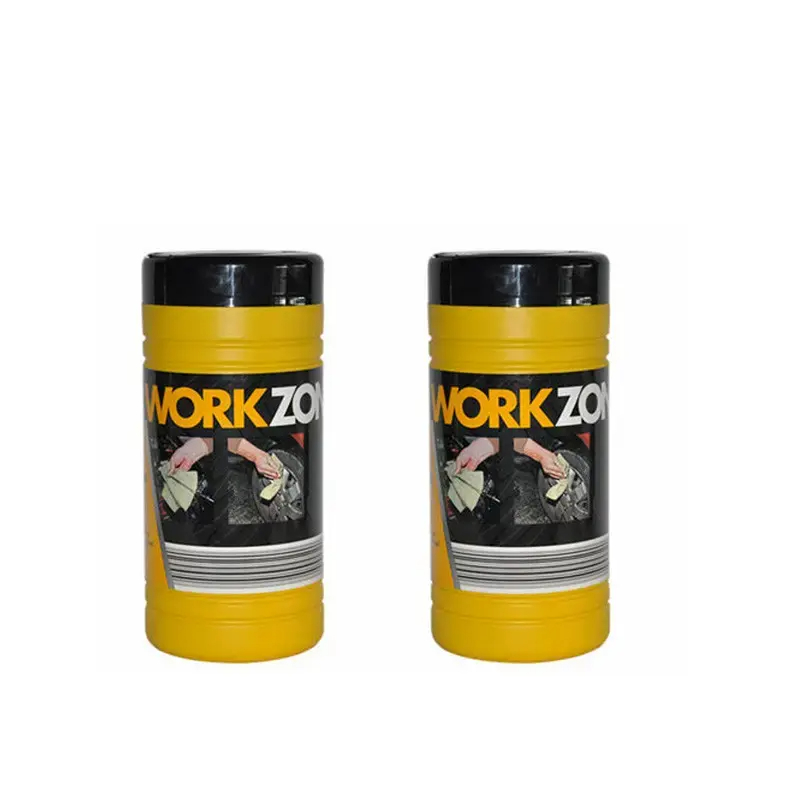
Standard manufacturing methods produce lightweight fabrics meant for smooth countertops. Industrial-grade requirements demand entirely different solution categories. A heavy-duty wiping product relies on advanced material science to survive extreme mechanical stress. We must examine fabric construction closely to understand tear resistance.
The manufacturing process dictates structural integrity. Compare spunlace hydroentanglement to traditional thermal bonding. Thermal bonding uses heat to melt fibers together. This creates stiff spots prone to cracking under tension. Conversely, spunlace technology uses high-pressure water jets to tangle fibers mechanically. This hydroentanglement occurs without chemical binders. It yields superior bi-directional tear resistance, meaning the wipe stays strong whether pulled vertically or horizontally.
Polymer blends form the core of this engineering. Manufacturers achieve peak performance by mixing synthetic and natural fibers. Synthetic fibers like polypropylene and polyester provide skeletal strength. They deliver high abrasion resistance to prevent shredding. Natural fibers like viscose and cellulose offer high fluid retention. The ideal ratio balances scrubbing power with liquid absorption capacity. Using well-engineered heavy duty cleaning wipes ensures operators get both durability and absorbency.
Density matters significantly. We measure fabric density using GSM, or Grams per Square Meter. Higher GSM generally indicates a thicker, more robust substrate. Establishing objective baseline density metrics helps you determine what qualifies as truly heavy-duty.
Table: Standard Baseline Density Classifications for Cleaning Fabrics
Wipe Category | Average GSM Range | Primary Industrial Application | Tear Resistance Level |
|---|---|---|---|
Light Commercial | 30 - 45 GSM | Smooth office surfaces, light spills | Low |
Medium Duty | 50 - 65 GSM | General workbench maintenance | Moderate |
Heavy Duty Industrial | 70 - 90+ GSM | Machinery, rough metal parts | High |
Laboratory specifications only tell half the story. Implementation realities stress the wipe's structural integrity in unpredictable ways. Environmental factors on a busy shop floor challenge the fabric daily. We must look at how wipes perform under high friction and heavy chemical exposure.
High-friction scrubbing destroys cheap materials. Textured surfaces on specialized wipes improve mechanical scrubbing power significantly. A dual-sided texture offers abrasive nodules to break down stubborn soils. This helps you tackle baked-on grime without compromising the wipe's substrate. Strong grease cleaning wipes utilize these textured profiles to lift soils rather than merely smearing them across the surface.
Chemical degradation risks pose a hidden threat. Many facilities pair dry wipes with aggressive chemicals. You must consider how solvents interact with the fabric.
Chemical Binder Breakdown: Certain industrial solvents like MEK, acetone, and heavy degreasers dissolve cheap adhesives.
Premature Dissolving: When binders melt, the wipe literally falls apart in the operator's hands.
Residue Contamination: Degraded wipe particles mix with the solvent, contaminating the part you intend to clean.
The metal tool test offers a practical baseline for durability. You drag a saturated wipe across sharp edges, threaded fasteners, and unpolished metal. An engineered industrial fabric survives this test without leaving lint on the burrs. This simple test mimics actual field conditions perfectly.
Heavy-duty applications often involve dual-use requirements. Workers clean tools, but they also clean themselves. Applying a compliance and safety lens is essential when evaluating these dual-purpose solutions. A wipe must aggressively remove industrial soils while remaining safe for direct human contact.
Skin compatibility poses a unique engineering challenge. Manufacturers must achieve high abrasion resistance for scrubbing heavy soils. Yet, they cannot cause micro-abrasions to the operators' hands. This balance is typically achieved through dual-sided design. One side features an abrasive texture for tools. The reverse side remains smooth for gentle skin cleaning.
Dermatological testing ensures long-term user safety. Procurement teams must verify Safety Data Sheets (SDS) rigorously. You want to ensure the formulations in pre-moistened industrial hand wipes avoid harsh volatile organic compounds (VOCs). Reputable brands incorporate skin conditioners like aloe or vitamin E. They maintain fabric integrity without relying on aggressive, skin-stripping chemicals. Protecting your workforce from dermatitis is just as crucial as protecting your machinery from lint.
Transitioning away from inadequate consumables requires a structured approach. Procurement and safety teams benefit immensely from clear shortlisting logic. By following a sequential evaluation process, you avoid costly trial-and-error mistakes on the shop floor.
Phase 1: Assess Task Requirements. Begin by categorizing your specific operational needs. Document the prevalent soil types across your facility. Note whether operators primarily remove light oil, heavy grease, dried paint, or industrial adhesive. Map these soils to the corresponding surface textures, such as smooth stainless steel or rough cast iron.
Phase 2: Review Technical Specifications. Audit manufacturer claims against actual material composition. Request detailed specification sheets. Look for the exact polymer blend ratio and verify the manufacturing process. Prioritize spunlace hydroentanglement over thermal bonding. Check the GSM rating to ensure the fabric meets your heavy-duty density requirements.
Phase 3: The Floor Test (Proof of Concept). Establish standardized onsite testing protocols before committing to a bulk purchase. Execute a maximum tension pull test in both the machine and cross directions. Perform continuous scrub cycles against typical shop floor tools until the fabric fails. Finally, conduct a solvent soak test by submerging the wipe in your harshest degreaser to check for binder degradation.
Following this actionable framework guarantees you select a wipe engineered for your specific environmental stresses. It aligns purchasing decisions with actual operational reality.
Investing in structurally engineered wiping materials directly mitigates operational bottlenecks. You eliminate the hidden labor costs associated with mid-task tearing and repetitive re-cleaning. Proper selection significantly reduces facility waste and improves overall safety by preventing lint contamination on critical machinery.
Take immediate action by auditing your current consumable spend. Calculate your actual wipes-per-task ratio instead of looking purely at the cost per sheet. Request detailed technical specification sheets from your suppliers. Finally, initiate controlled floor trials using the pull and scrub methods outlined above to partner with reputable manufacturers successfully.
A: The primary differences lie in fiber density, bonding methods, and material blends. Standard wipes use lower GSM and thermal bonding for light tasks. Heavy-duty wipes utilize high GSM and spunlace hydroentanglement. They feature optimized polymer blends (polypropylene and cellulose) for maximum high-tensile strength and superior abrasion resistance.
A: Premature tearing often results from binder breakdown. Cheap wipes use water-soluble or solvent-reactive chemical adhesives to hold their fibers together. When exposed to harsh industrial degreasers or solvents like MEK, these binders dissolve. This reaction causes the fabric structure to collapse instantly upon chemical contact.
A: You should execute a standardized manual pull-test. Pull the fabric aggressively in both the cross-direction and machine-direction to check tensile strength. Next, perform an abrasive scrub test. Vigorously rub the saturated wipe over typical shop floor tools, unpolished metal, and threaded fasteners to observe any linting or shredding.
A: Yes. Premium manufacturers bridge this gap using advanced dual-sided textures. One side provides abrasive nodules for scrubbing tools, while the reverse remains smooth for skin contact. Furthermore, pre-moistened versions utilize dermatologically tested, skin-conditioning solvent formulations that avoid harsh VOCs while safely removing heavy soils.


