

Views: 0 Author: Site Editor Publish Time: 2026-10-14 Origin: Site


Few things ruin a freshly detailed vehicle like swiping a cleaning cloth across the console only to leave a smeared, greasy mess behind. We all know the frustration of using an Auto Wipe that promises a spotless finish but instead creates dangerous dashboard glare. Sometimes it even turns the steering wheel into a sticky, dust-attracting hazard.
This sticky residue rarely happens by accident. It is a direct byproduct of cheap chemical formulations. Lower-quality products often rely on heavy silicones or improper solvent-to-surfactant ratios to create a temporary, artificial shine. This glossy layer traps dust and degrades interior materials over time.
In this guide, we break down the formulation-level chemistry of premium cleaning tools. You will learn the exact technical criteria needed to evaluate these products. By understanding these ingredients, you can confidently select solutions prioritizing true cleaning over fake, greasy gloss.
True residue-free cleaning relies on balanced, water-based formulations featuring non-ionic surfactants rather than heavy oils or waxes.
Silicone (often listed as dimethicone) is the primary culprit behind sticky, high-glare finishes on dashboards.
Multi-surface claims often require compromises; distinguishing between plastics, screens, and organic leather is critical for interior longevity.
Professional-grade wipes prioritize evaporation rates and matte finishes over artificial fragrances and "wet-look" gloss enhancers.
Modern vehicle interiors use high-tech materials. Automakers design cabins utilizing soft-touch plastics, open-pore woods, and matte-finished synthetics. A successful cleaning outcome means restoring this factory matte finish. It never means adding a high-gloss, slippery layer. When surfaces look unnaturally shiny, they usually carry a chemical coating. This artificial layer attracts dust particles immediately. It also reflects sunlight directly into the driver’s eyes. True cleanliness feels dry to the touch.
The physical wipe material interacts heavily with the chemical formula. Premium manufacturers use spunlace non-woven fabric. This substrate balances softness and scrubbing power perfectly. It features microscopic pockets designed to trap dirt. Cheaper substrates rely on flat polyester blends. These cheap materials simply push dirt around the console. Because poor materials cannot lift grime efficiently, manufacturers compensate. They overload the cloth using harsh, heavy chemicals. This excessive chemical load drastically increases your risk of sticky residue.
Effective cleaning requires a precise chemical balancing act. A wipe's liquid must stay wet long enough to encapsulate dirt. We call this "dwell time." However, the solution must evaporate quickly enough to avoid pooling. If liquids sit on plastic panels too long, they leave filming behind. Professional chemists engineer formulas for rapid flash-off. They ensure the moisture lifts the spill, holds it in the fabric, and disappears from the dashboard within seconds.
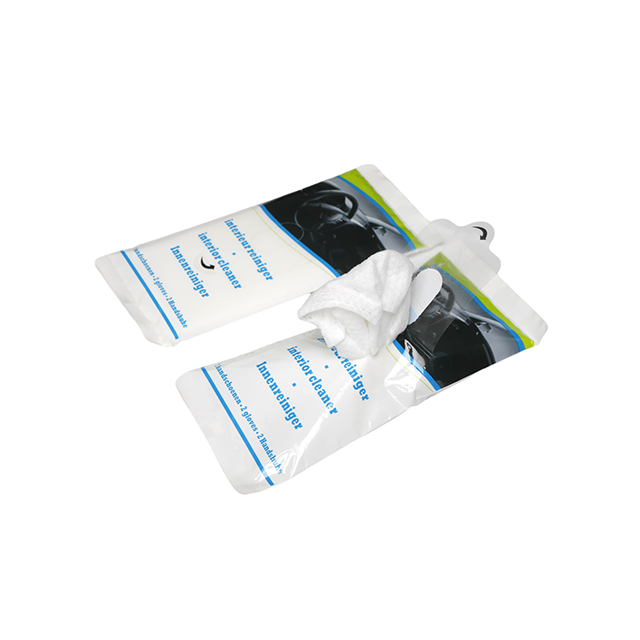
Choosing the right auto cleaning wipes requires checking the ingredient list. High-performing products share several key chemical traits. They prioritize lifting dirt over depositing synthetic coatings.
Deionized or purified water remains the safest carrier for detailing chemicals. Tap water contains heavy minerals like calcium. These minerals leave chalky white spots on dark trim. Purified water eliminates this risk entirely. It acts as a neutral base, allowing active cleaning agents to perform without interference. Water-based formulas penetrate porous surfaces safely. They lift trapped body oils out of steering wheels naturally.
Surfactants are the engine driving any cleaning product. Non-ionic surfactants carry a neutral electrical charge. This specific detergent class breaks down body oils and coffee spills beautifully. More importantly, they do not leave a soapy, tactile film behind. Anionic surfactants, commonly found in household dish soaps, require heavy rinsing. Non-ionic variants wipe away clean. They leave your center console feeling smooth and factory-fresh.
Solvents help dissolve stubborn grime. However, heavy solvents dry out delicate plastics. Balanced formulations use mild alcohols, like isopropyl alcohol, or gentle glycol ethers. These ingredients assist in fast drying. They prevent ugly streak marks on glossy trim pieces. When chemists dose them correctly, these solvents flash off instantly. They remove sticky soda spills without degrading the underlying clear coat.
Dust accumulation plagues every car owner. Premium wipes include anti-static compounds. These specific additives neutralize the static charge generated by wiping friction. Instead of trapping dust inside a sticky layer, they actively repel airborne particles. Your dashboard stays cleaner for weeks. This technology eliminates the need for greasy, dust-grabbing conditioners.
Chemical Component Functions Summary
Ingredient Category | Primary Function | Residue Impact |
|---|---|---|
Deionized Water | Safe carrier liquid | Zero residue, prevents mineral spots |
Non-Ionic Surfactants | Lifts grease and body oils | Low-foaming, leaves no tactile film |
Glycol Ethers | Dissolves heavy grime safely | Evaporates rapidly, prevents streaks |
Anti-Static Agents | Neutralizes friction charges | Repels dust, prevents buildup |
Many mass-market products prioritize visual impact over actual cleanliness. They utilize cheap ingredients to simulate a conditioned look. You must actively avoid these compounds to maintain interior longevity.
Dimethicone acts as a cheap gloss enhancer. Manufacturers love it because it produces an instant, blinding shine. However, it creates severe long-term problems. In high cabin heat, heavy silicones begin off-gassing. They vaporize and cling to the inside of your windshield. This causes dangerous, hazy glare during night driving. Furthermore, silicone leaves extreme dashboard tackiness. If your arm sticks to the door panel, dimethicone is usually the culprit.
Some brands market lanolin or petroleum distillates as premium conditioning agents. This marketing ignores modern automotive engineering. Nearly all modern car interiors feature polyurethane coatings. Low-grade oils cannot penetrate this clear urethane barrier. Instead, they sit on top of the surface. This creates a slippery, greasy mess. A petroleum-soaked steering wheel compromises driving safety significantly.
Overwhelming "new car" or artificial fruit scents often cause sticky residue. Heavy fragrances require chemical binding agents, typically phthalates, to prolong their scent profile. These binders are naturally sticky. They anchor the perfume molecules to your interior trim. As the scent eventually fades, the sticky binding film remains. This film attracts dirt, turning your console into a messy trap.
Common Mistakes to Avoid:
Buying products promising "high gloss" or "extreme shine."
Using household furniture polish on automotive dashboards.
Ignoring ingredient labels hiding high dimethicone concentrations.
Applying heavily scented products inside enclosed cabins.
Vehicle interiors feature a complex mix of materials. You have soft plastics, rigid polycarbonate screens, and organic hides. Using one formula across all surfaces often guarantees a sticky disaster somewhere.
Universal wipes sound convenient. However, multi-surface claims often require extreme compromises. A chemical aggressive enough to clean deep shoe scuffs off plastic kick panels will degrade leather topcoats. Conversely, a wipe gentle enough for leather might leave streaks across your navigation screen. Using dedicated car interior cleaning wipes tailored to specific zones prevents cross-contamination.
When selecting dashboard cleaning wipes, UV protection ranks highest in importance. The upper dashboard endures brutal solar radiation. Premium wipes incorporate benzotriazoles. These advanced UV inhibitors act like sunscreen for your plastics. They absorb radiation and dissipate it harmlessly as heat. Crucially, high-quality inhibitors do this without adding grease. They protect the material while maintaining a dry, matte finish.
Leather demands an entirely different approach. When evaluating leather car cleaning wipes, you must understand modern manufacturing. Almost all modern automotive leather undergoes urethane coating at the factory. You are cleaning the urethane layer, not the raw hide. The goal requires mild, pH-balanced cleaning. This clears the textured pores of dirt and denim dye transfer. Heavy oil saturation serves no purpose here. Oils cannot penetrate the clear coat and only result in ruined clothes and slippery seats.
Best Practices for Zoned Cleaning:
Start with the most delicate surfaces first, like infotainment screens, using a dry microfiber.
Use dedicated UV-protectant wipes exclusively on the upper dash and door cards.
Apply pH-balanced leather wipes to seats and steering wheels, ensuring they wipe dry instantly.
Never cross-contaminate. Do not wipe a greasy door jamb and then clean your steering wheel.
Selecting the right product requires looking past flashy marketing. You need a systematic approach to evaluate product quality.
We encourage savvy buyers, especially fleet managers or detailing professionals, to demand transparency. Look past the front label. Search for the product's Safety Data Sheet online. The SDS reveals the true chemical makeup. You can easily spot high silicone content or excessive Volatile Organic Compounds (VOCs). If the sheet lists heavy petroleum distillates, skip the product entirely.
Check the packaging for explicit finish claims. Premium brands confidently advertise their results. Look for phrases like "OEM finish," "matte finish," or explicitly "no greasy residue." If a product boasts about restoring a wet look, it relies on silicone. Matte guarantees indicate a water-based, surfactant-driven formula.
Vehicle cabins are tightly enclosed spaces. Chemical off-gassing concentrates quickly in this small volume. Frame your evaluation around health and safety. Prioritize wipes utilizing plant-derived surfactants. Look for VOC-free claims. Non-toxic formulas ensure your family and pets breathe clean air during long road trips. They clean effectively without flooding the cabin with harsh industrial solvents.
The container design impacts residue levels directly. Look for solid moisture-lock lids over cheap sticker seals. When wipes dry out partially, the water evaporates first. This leaves behind a disproportionately high concentration of cleaning agents. Using a semi-dry wipe smears highly concentrated chemicals across your dash. This guarantees heavy streaking and stickiness. Quality packaging maintains the precise liquid-to-wipe ratio.
Avoiding sticky residue is entirely about choosing chemical formulations that lift and evaporate, rather than coat and shine. Your vehicle interior deserves premium maintenance, not cheap gloss enhancers that trap dust and degrade materials. Focus on water-based foundations, non-ionic surfactants, and substrate quality to ensure a factory-fresh matte finish.
Your actionable next step is simple. Test your current wipes on a piece of clear household glass or a glossy interior screen. Wipe the surface and observe it under direct light. If the wipe leaves a rainbow film, hazy streaks, or a sticky smear, you have a residue problem. It is time to upgrade to a surface-specific, residue-free formula designed for true interior care.
A: This stickiness results from the deposition of heavy silicones or cheap waxes. When these synthetic coatings react with natural oils and heat from your hands, they break down into a sticky, gummy residue. A quality wipe lifts oils away instead of adding layers.
A: We strongly caution against this. Household wipes often contain harsh quaternary ammonium compounds (quats) or bleach. These aggressive chemicals easily strip delicate automotive UV coatings, dry out synthetic stitching, and cause premature cracking on dashboard panels.
A: Yes, absolutely. When properly formulated with high-quality non-ionic surfactants, water-based formulas emulsify body oils and grease effectively. They lift and trap dirt inside the wipe material without needing harsh, residue-heavy industrial solvents.


