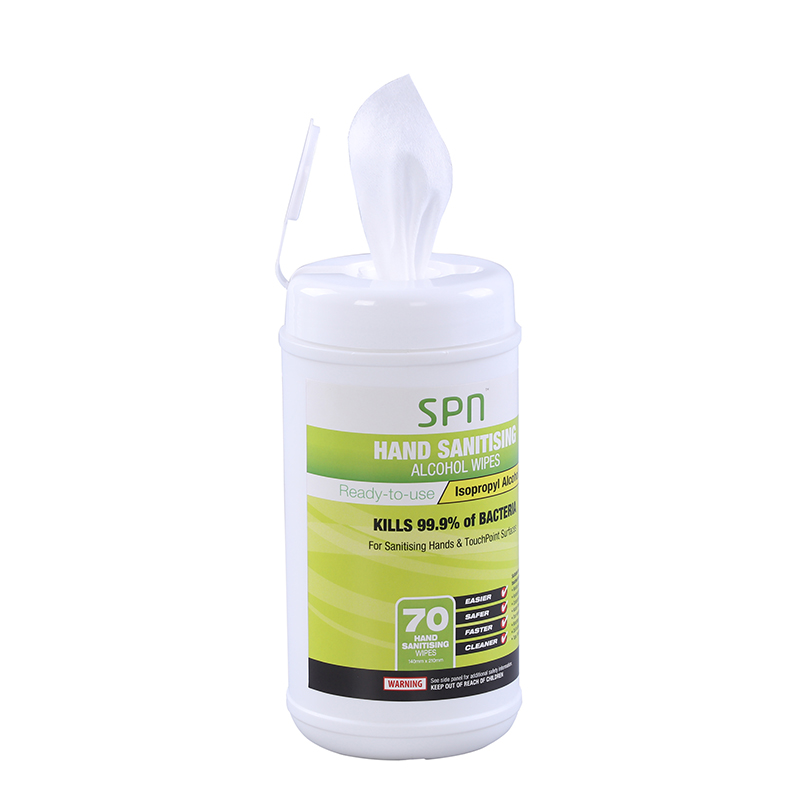
Stockpiling sanitation supplies often feels like a brilliant operational strategy. Facility administrators purchase bulk quantities to secure lower unit prices and ensure consistent availability. However, this seemingly smart move frequently introduces severe compliance risks into healthcare and commercial environments. The efficacy of these essential cleaning tools degrades steadily over time. When a Medical Wipe sits neglected in a warm storage room, it loses its pathogen-fighting power. This hidden degradation directly endangers facility safety and triggers expensive audit failures. Facility managers must recognize expiration dynamics to protect their occupants. You cannot simply store sanitation products indefinitely without tracking their lifespan. Understanding chemical breakdown, assessing packaging integrity, and controlling the storage environment inform smarter inventory management. We will explore how these elements directly impact your procurement strategy. You will discover how to identify failing supplies before they compromise your facility.
Key Takeaways
Most commercial and medical-grade disinfecting wipes have a verified shelf life of 12 to 24 months from the date of manufacture.
Evaporation of active ingredients (like alcohol) and degradation of chemical bonds (like quaternary ammonium) are the primary causes of expiration.
Proper evaluation of packaging styles (canisters vs. flow-packs) directly impacts inventory longevity and scalability.
Using expired wipes is a compliance violation in regulated facilities, as the EPA-registered kill claims are no longer guaranteed.
The Chemistry of Expiration: Why a Medical Wipe Loses Efficacy
People often assume an expired cleaning product becomes toxic or dangerous to touch. This is rarely the reality. The real danger lies within the efficacy curve. An expired product simply fails to meet the strict microbial kill times stated on its label. A surface must remain visibly wet for a designated period to kill specific pathogens. We call this the dwell time. When you use expired supplies, the dwell time falls short. Pathogens survive the cleaning process, leaving high-touch surfaces incredibly dangerous.
Volatility plays a massive role in this decline. Active disinfectants evaporate much faster than their water base. Over time, crucial ingredients like alcohol or quaternary ammonium escape the container. This slow leak leaves behind a damp but entirely ineffective substrate. You might think you are sanitizing a medical cart. In reality, you are just spreading moisture and bacteria around the room.
Furthermore, the physical material of the cloth matters immensely. Cheap substrate materials, such as cellulosic fibers, often carry a negative electrical charge. Many active disinfectants carry a positive charge. Over several months, these opposing charges attract. The fabric physically binds with the active ingredients. This reaction neutralizes the disinfecting properties before the liquid ever evaporates. The cloth absorbs the chemical power, leaving zero sanitizing capability for your surfaces.
4 Core Factors Dictating the Shelf Life of Disinfecting Wet Wipes
Storage conditions directly determine how long your inventory remains compliant. Facility managers must control four specific environmental variables. Ignoring them ruins even the highest-quality disinfecting wet wipes before they ever reach the cleaning cart.
Temperature Fluctuations
Extreme heat drastically accelerates chemical breakdown. Storing boxes near heating vents or in hot delivery trucks forces active ingredients to evaporate rapidly. Conversely, freezing temperatures pose an entirely different threat. Freezing can separate the delicate chemical emulsions inside the fluid. Once thawed, the solution rarely mixes properly again. You must store these supplies in strictly climate-controlled spaces to maintain their structural integrity.
Seal and Packaging Integrity
Packaging acts as your primary defense against premature evaporation. Adhesive closures on soft flow-packs eventually suffer mechanical failure. Constant opening and closing degrade the glue, allowing ambient air to slip inside. Rigid canisters offer superior long-term protection. Their threaded plastic lids create a tighter, more reliable seal over extended periods. You should always close lids firmly after every single pull.
Light and UV Exposure
Direct sunlight destroys specific chemical compounds. Translucent packaging allows UV rays to penetrate the substrate easily. This continuous exposure breaks down sensitive active ingredients in a matter of weeks. You must keep inventory in dark, cool storage closets. Choosing opaque canisters provides an excellent secondary layer of UV protection against harsh fluorescent facility lighting.
Cross-Contamination Post-Opening
Opening a bulk dispenser starts an immediate countdown. Introducing airborne pathogens or unwashed hands into the container compromises the remaining rolls. Every touch transfers a new bacterial load into a formerly sterile environment. This introduced bacteria forces the active chemicals to work prematurely inside the canister. Consequently, it drastically reduces the effective lifespan of the remaining product.
Formulations Compared: How Ingredients Influence Longevity
Different active ingredients behave differently over time. Facility managers must match the chemical formulation to their specific operational tempo. Let us examine the two most common chemical profiles used in commercial cleaning today.
70% Isopropyl Alcohol Swabs and Wipes
Alcohol provides incredibly rapid disinfection. However, it presents a highly volatile longevity profile. It evaporates almost instantly if the micro-seal suffers even minor damage. For this reason, 70% isopropyl alcohol swabs require strict storage protocols. They perform best in rapid turnover environments. Clinics, laboratories, and phlebotomy stations use them constantly. Individual wrapping prevents catastrophic bulk-loss. If one foil wrapper fails, you only lose a single swab, protecting the rest of your investment.
Alcohol-Free Antibacterial Wipes (Quat-Based)
Quaternary ammonium compounds offer a completely different stability profile. They feature much lower volatility and boast a significantly slower evaporation rate. This stability makes them perfect for bulk packaging. alcohol-free antibacterial wipes suit massive facility-wide applications. They are ideal for cleaning gym equipment, cafeteria tables, and waiting room chairs. These demanding environments require long-term dispensing solutions. The quat-based formula remains active in a sealed canister for months after the initial opening.
Compliance, Safety, and Audit Risks of Expired Inventory
Using expired products carries heavy consequences for any organization. You face significant compliance and safety risks, especially in heavily regulated healthcare facilities.
Regulatory agencies like the EPA set strict guidelines for product efficacy. When a manufacturer registers a specific kill claim, it guarantees performance only for a verified duration. After this timeframe, the manufacturer guarantee vanishes. Using non-compliant sanitation products opens your facility to severe legal liability. During an official audit, inspectors routinely check manufacturing dates on cleaning carts. Holding expired inventory often results in immediate citations and heavy fines.
We must also address the dangerous "wetness fallacy" among cleaning staff. Many workers mistakenly believe a product still works if it feels wet to the touch. This is a massive vulnerability. As we discussed earlier, the water base easily outlasts the active disinfectants. A thoroughly wet sheet might contain absolutely zero sanitizing power. Do not trust your sense of touch to determine safety. Always trust the printed expiration date.
When inventory inevitably expires, proper disposal protocol becomes essential. You cannot simply dump chemical-laden textiles into standard municipal trash bins. Check your local environmental safety standards first. Many regions classify concentrated disinfectants as hazardous waste. Separate the clean plastic packaging for recycling. Then, dispose of the dried substrate strictly according to your local chemical waste regulations to avoid environmental penalties.
Evaluation Criteria: Selecting the Right Wipes for Your Facility's Turnover
You can eliminate expiration waste by closely matching your procurement habits to your actual daily usage. Smart evaluation prevents costly stockpiling errors and ensures peak compliance.
First, you must calculate your facility's exact burn rate. Align your order volume with realistic usage metrics. Avoid ordering a massive 12-month supply if you operate a small, low-traffic clinic. Instead, aim for 30-day or 90-day inventory cycles. Tracking your monthly consumption keeps your stock fresh and guarantees highly effective cleaning.
Second, analyze your chosen packaging against your physical environment. You must match the container type to your facility temperatures and usage habits. Consider these actionable steps:
Choose individually wrapped packets for mobile medical carts experiencing frequent temperature swings.
Select rigid pails for high-volume areas with reliable climate control.
Use soft flow-packs only for ultra-fast turnover areas to outpace eventual adhesive failure.
Finally, prioritize robust lot traceability. Choose manufacturers offering remarkably clear manufacturing dates (DOM). Standardized lot codes remain vital for reliable inventory tracking. Implement the First-In, First-Out (FIFO) method in your supply rooms immediately. Always rotate older medical wipes to the front of your shelves. This simple operational habit drastically reduces expiration-related waste.
Conclusion
A sanitation wipe is not just a damp piece of cloth. It represents a precisely engineered chemical tool designed to combat microscopic threats. Like any scientific instrument, it demands proper storage and strict inventory rotation. Protecting your supply chain ensures maximum safety for your staff, patients, and daily visitors.
Audit your supplies today: Check every single storage closet for hidden manufacturing dates and upcoming expirations.
Adopt the FIFO method: Move older inventory to the front lines immediately upon delivery of new stock.
Reassess your packaging: Ensure your canister or flow-pack choices align perfectly with your facility's actual consumption rates.
Train your staff: Eradicate the dangerous wetness fallacy so employees stop using compromised materials simply because they feel damp.
Take control of your procurement strategy right now. A well-managed sanitation inventory protects your operational budget and your vital compliance record simultaneously.
FAQ
Q: Can you add water or alcohol to revive dried-out disinfecting wet wipes?
A: No. Rehydrating alters the exact EPA-registered chemical concentration. This immediately renders the product non-compliant. Adding unknown volumes of liquid disrupts the careful chemical balance designed by the manufacturer. The resulting mixture becomes completely ineffective against dangerous pathogens. You must discard dried-out inventory immediately to maintain facility safety.
Q: Where is the expiration date typically located on medical wipes?
A: You usually find it printed directly on the bottom of a rigid canister. Soft flow-packs often stamp it along the crimped edge. Bulk supplies might only list it on the outer master carton. Look specifically for the letters "EXP". If absent, calculate the shelf life based on the printed "DOM" (Date of Manufacture).
Q: Do alcohol-free antibacterial wipes last longer than alcohol-based ones?
A: Yes, they generally suffer much less from rapid evaporation. However, alcohol-free formulas still degrade chemically over a standard 12 to 24-month period. Substrates break down and active chemical bonds weaken over time regardless of the formula. Both types strictly require climate-controlled storage to achieve their maximum intended shelf life.
We stick to High and stable quality control system. products are provided and ensured by advanced machines, state of art technology, and professional team. Please feel free to contact us to start our long-term cooperation.