

Views: 0 Author: Site Editor Publish Time: 2026-10-22 Origin: Site


The pet care industry is currently saturated with aggressive "eco-friendly" marketing campaigns, but many popular grooming products hide a serious environmental secret. Conventional wipes often contain hidden microplastics embedded within their structural fibers, causing them to persist in landfills for decades. This creates a severe environmental burden, actively undermining the well-intentioned choices of pet owners who simply want to keep their companions clean and healthy. We desperately need a transparent, evidence-based framework to properly evaluate the true ecological impact of these everyday grooming products. A genuinely sustainable product must break down completely into natural elements within a specific, measurable timeframe. It must leave absolutely no toxic residue behind, meaning both the fabric substrate and the liquid chemical solution must meet rigorous environmental standards. In this guide, you will learn exactly how to identify authentic eco-friendly materials and verify chemical formulations. We will explore crucial industry certifications, highlight common greenwashing tactics, and outline practical disposal methods to ensure your daily grooming routine actually supports a healthier planet.
To understand the sustainability crisis in pet grooming, we must first examine traditional nonwoven manufacturing processes. When you pull a standard wet wipe from its dispenser, it feels quite similar to natural cloth. However, it usually consists of tightly woven plastic resins. Manufacturers rely heavily on synthetic polymers, particularly polyester and polypropylene, to construct these sheets. These petroleum-based plastics deliver exceptional tensile strength at a remarkably low production cost. They prevent the sheet from tearing during vigorous scrubbing sessions. Unfortunately, this impressive structural durability comes at a massive environmental cost. Synthetic fabrics simply cannot biodegrade within any reasonable timeframe. They do not naturally decompose into organic elements. They persist in the environment indefinitely.
Instead of true decomposition, traditional wipes undergo a slow mechanical breakdown over several decades. Environmental stressors cause them to fragment into progressively smaller pieces. We know these tiny fragments as microplastics. This relentless shedding process is highly destructive to local ecosystems. When you use conventional products to clean dirty paws or muddy coats, you inevitably discard them into the waste stream. The resulting microplastics eventually contaminate soil beds, wash into municipal water systems, and infiltrate the broader food chain. The structural integrity meant to help you clean your dog actively pollutes the earth long after disposal.
This harsh reality makes greenwashing an incredibly prevalent risk for modern consumers. Many prominent brands aggressively market their products using misleading buzzwords like "earth-conscious" or "natural." They often highlight soothing botanical liquid ingredients on the front packaging. Meanwhile, they deliberately obscure the underlying synthetic core of the fabric itself. A product might contain merely ten percent plant-based fibers mixed with ninety percent plastic. The company then boldly labels it a "natural botanical blend." This deceptive tactic misleads well-meaning buyers who want to make responsible choices. You might genuinely believe you are purchasing an eco-friendly Pet Wipe for your household. In reality, you are throwing more non-degradable plastic into the local ecosystem. We must look past the attractive front label. True sustainability requires rigorous scrutiny of the actual structural material holding the liquid.
To solve the pervasive plastic problem, sustainable brands utilize advanced alternative materials. Plant-based substrates offer a highly effective, environmentally friendly path forward. They completely replace synthetic plastic cores with fully organic, naturally occurring fibers. Transitioning to these natural materials ensures the fabric can safely return to the soil. Let us examine the most common raw materials used in premium formulations today.
Bamboo currently stands as one of the most popular and effective choices in the industry. It grows incredibly fast, making it a highly renewable resource. Bamboo cultivation requires minimal water usage and entirely avoids harsh agricultural pesticides. Beyond its agricultural benefits, bamboo fibers are naturally robust and highly absorbent. More importantly, they break down very rapidly when introduced to a healthy composting environment. This makes bamboo an exceptional foundation for sustainable grooming products.
Viscose, occasionally referred to as rayon, represents another strong contender for natural substrates. Manufacturers create viscose by regenerating cellulose fibers directly from harvested wood pulp. It closely mimics the soft, luxurious feel of traditional woven cloth. It also decomposes efficiently under the right temperature and moisture conditions. However, responsible sourcing is absolutely essential when evaluating viscose. The original wood pulp must come from sustainably managed forests to prevent unethical deforestation practices.
Cotton remains a classic, highly recognizable choice for natural cleaning products. It is entirely organic and highly effective at lifting heavy dirt from animal fur. However, traditional cotton farming consumes vast amounts of fresh water. It also relies heavily on synthetic agricultural chemicals and fertilizers. While a pure cotton sheet decomposes flawlessly in the soil, its initial environmental production footprint can be quite high compared to bamboo.
The primary manufacturing challenge involves balancing necessary structural durability with eventual degradability. We need sturdy pet grooming wipes designed for muddy paws and thick, double-coated breeds. Heavy-duty cleaning requires high tensile strength. Synthetic plastic binders traditionally provided this necessary strength. Without them, manufacturers must utilize advanced, plastic-free engineering techniques. Hydroentangling is currently a very popular method. High-pressure water jets weave the loose natural fibers tightly together on the production line. This creates a remarkably strong mesh fabric without adding any toxic plastic resins or chemical glues.
Table: Comparison of Plant-Based Grooming Substrates
| Material Type | Sourcing Impact | Tensile Strength | Composting Speed |
|---|---|---|---|
| Bamboo | Low water use, highly renewable | Excellent | Very Fast |
| Viscose (Rayon) | Moderate (requires responsible forestry) | Good | Fast |
| Cotton | High water and land use | Excellent | Moderate |
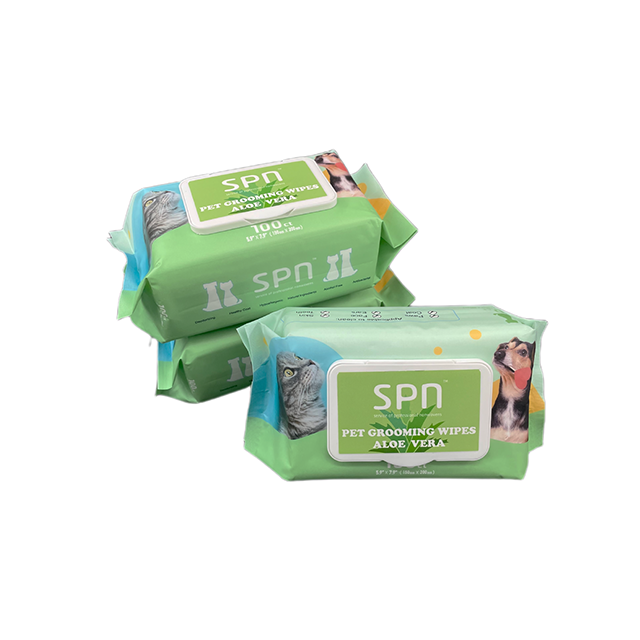
The structural fabric material represents only half of the environmental equation. The liquid solution saturating the cloth plays an equally vital role in the product's ultimate lifecycle. A standard grooming sheet consists of dry fabric heavily soaked in a specialized chemical formula. What exactly happens if you take a pure, organic bamboo cloth and soak it in harsh synthetic chemicals? The entire product instantly loses its environmental value. A 100% plant-based cloth becomes completely non-biodegradable if saturated with persistent toxins.
Chemical compatibility dictates the success of the composting process. Harsh synthetic preservatives, such as parabens or heavy sulfates, persist stubbornly in the natural environment. If discarded into a compost pile, these aggressive chemicals actively kill the beneficial bacteria and microbes responsible for decomposition. They essentially poison the surrounding soil. You must ensure the liquid ingredients are environmentally safe and biologically compatible. Look specifically for naturally derived cleansers and soothing agents. Oatmeal extract naturally soothes irritated skin without harming the earth. Aloe vera provides excellent natural moisture. Mild plant-based surfactants, such as decyl glucoside, lift stubborn dirt effectively. They wash away quickly without leaving any toxic residues behind to contaminate the groundwater.
Furthermore, we must carefully consider the pH factor when evaluating liquid formulas. Human skin is naturally somewhat acidic, usually sitting around 5.5 on the pH scale. Canine skin requires a vastly different approach. A dog's natural acid mantle typically ranges from 6.5 to 7.5, making it much closer to neutral. Using highly acidic human products can severely strip their natural protective oils. This causes painful irritation, dryness, and potential bacterial infections. Formulating a product strictly at a 7.0 pH protects the dog's vulnerable skin barrier. Fortunately, neutral pH solutions are also highly compatible with healthy soil microbiology. This delicate chemical balance ensures the product remains completely safe for both your furry companion and the earth. Choosing genuinely biodegradable pet wipes means validating the liquid solution just as rigorously as the structural fabric.
Navigating the complex world of greenwashing requires concrete, verifiable proof. Do not blindly trust vague marketing claims printed on a colorful box. Third-party validation remains the only truly reliable way to verify a product's sustainability claims. Reputable, honest brands gladly display their earned environmental certifications prominently on their packaging. They invest significant time and money into proving their environmental commitments.
The FSC (Forest Stewardship Council) certification serves as an excellent starting point for conscious consumers. It guarantees the wood pulp or bamboo used in the fabric comes exclusively from responsibly managed forests. This critical certification actively prevents illegal deforestation, protects vulnerable wildlife habitats, and respects the rights of local indigenous communities.
Next, look carefully for established composting standards. ASTM D6400 and EN 13432 are critical international benchmarks. These rigorous standards certify the product will break down completely and safely in industrial composting facilities. They mandate strict testing to ensure no heavy metals, microplastics, or toxic residues remain in the soil after decomposition finishes.
TÜV Austria provides the highly respected OK Compost certification suite. They offer distinct labels tailored for both Home and Industrial environments. A Home Compost label explicitly means the product degrades efficiently at the lower, fluctuating temperatures found in your backyard compost bin. An Industrial label means it requires the sustained high heat of a commercial municipal facility.
To navigate the market effectively, use this verification checklist to spot common red flags:
Purchasing the correct certified product is just the first necessary step. Your specific disposal method dictates the ultimate environmental impact. The landfill limitation presents a harsh reality for well-intentioned consumers. If you throw a purely plant-based product into a sealed plastic trash bag, you effectively trap it. It eventually ends up deeply buried under tons of compacted garbage in a municipal landfill. Modern landfills are intentionally designed as anaerobic environments. They purposely lack the oxygen, moisture, and microbial activity necessary for rapid organic decomposition. Without steady oxygen, the natural degradation process halts almost entirely. The product simply sits trapped in the dark for years, eventually releasing methane gas rather than turning into healthy soil.
To actually realize the promised environmental benefits, you must adopt proper composting habits. We must clearly distinguish between home and industrial composting methods. Home composting works exceptionally well for lightly soiled dog paw wipes. If you merely wiped away superficial garden dirt, rainwater, or loose mud, toss them directly into your backyard bin. However, home bins require active, ongoing management. You must regularly turn the pile to introduce fresh oxygen. You must also maintain adequate moisture levels and balance your carbon-to-nitrogen ratios to keep the microbes happy and active.
Industrial composting operates quite differently. Commercial facilities generate sustained high heat. They manage heavy organic waste rapidly and efficiently. You should rely on industrial facilities for heavily saturated items. However, you must always verify your local municipal waste management facility actually accepts pet waste before utilizing their curbside green bins.
Finally, carefully consider serious waste contamination risks. You should never place items heavily soiled with bodily fluids, animal feces, or anal gland secretions into a home vegetable garden compost pile. This dangerous practice introduces harmful pathogens and dangerous bacteria into soil meant for growing human food. Keep all biological animal waste strictly separate from anything you intend to use on agricultural crops. Proper sorting and hygiene ensure safe, effective decomposition without risking human health.
Transitioning to a truly sustainable grooming routine requires us to look far beyond the initial marketing claims. We must rigorously evaluate both the structural fiber material and the hidden liquid formulation. Relying on verified plant-based substrates like bamboo ensures we stop introducing harmful microplastics into our fragile ecosystems. Simultaneously, choosing formulas with naturally derived cleansers and pH-balanced ingredients protects our pets' skin while preserving vital soil health.
A: No. Human products are specifically pH-formulated for human skin, which sits around 5.5. Dogs have a more neutral acid mantle ranging from 6.5 to 7.5. Using human products can severely disrupt their skin barrier, causing dryness and irritation. Additionally, many human formulas contain fragrances or chemical preservatives that cause toxicity if ingested during normal grooming or licking.
A: No. Even 100% plant-based fibers do not break down fast enough in standing water to pass safely through household plumbing. Flushing them poses severe risks to municipal sewer systems and creates costly clogs. They must be composted in appropriate facilities or thrown in the standard waste bin.
A: Under ideal composting conditions featuring adequate heat, oxygen, and active microbes, genuine plant-based fibers typically break down entirely in 28 to 90 days. However, if trapped in an anaerobic landfill environment without oxygen, decomposition can take many years, completely negating the environmental benefits.
A: "Biodegradable" simply means a material will eventually break down in nature, but it offers no specific timeframe or guarantee of safety. "Compostable" is a strictly regulated term. It guarantees the product breaks down completely into non-toxic, natural components within a specific timeframe (usually 90-180 days) under designated environmental conditions.


