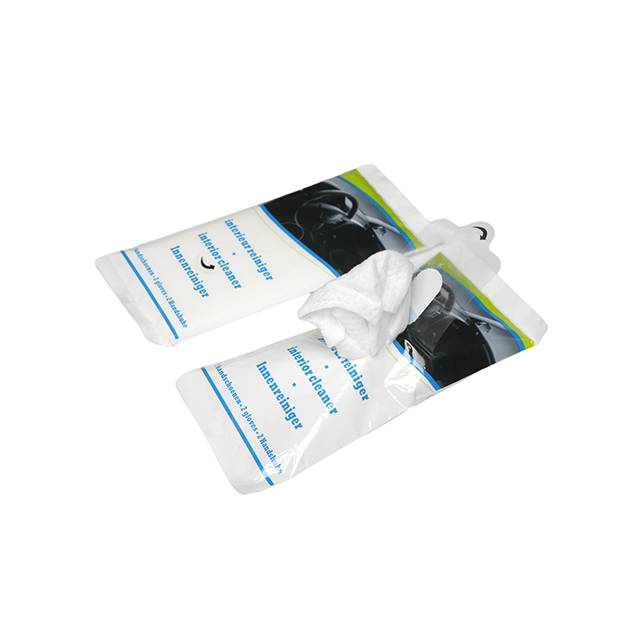
Modern automotive surfaces present unprecedented challenges for detailing professionals. Massive EV infotainment screens, delicate vegan leathers, and matte exterior finishes require highly specialized care protocols. Standard commercial cleaning supplies often fail miserably under these new demands. Detailers and auto care brands lose valuable time tackling lint residue, chemical streaking, and premature evaporation. Generic solutions also risk damaging sensitive materials. This instantly hurts your shop's credibility and destroys customer trust. Upgrading to tailored, purpose-built supplies streamlines your entire detailing workflow. These engineered solutions ensure strict compliance with manufacturer material warranties. They protect highly vulnerable interior components from irreversible chemical burns. Furthermore, adopting Customizable Car Cleaning Wipes provides scalable private-labeling opportunities for growing auto care businesses. You can match exact chemical formulas to specific detailing tasks. This transition elevates your service quality and optimizes your daily operational efficiency.
Key Takeaways
Surface Nuance is Critical: Modern auto dashboard cleaning wet wipes require distinct chemical profiles (anti-static, zero-residue) compared to exterior wipes (heavy-duty degreasers, bug/tar removal).
Substrate Matters: The difference between a consumer-grade wipe and a professional solution lies in the non-woven fabric blend—optimizing for abrasion resistance and moisture retention.
Customization Drives ROI: Tailoring formulations, wipe dimensions, and packaging (canister vs. flow-pack) allows businesses to match specific operational workflows or private-label market demands.
Risk Mitigation: Evaluating shelf-life, VOC compliance, and seal integrity prevents the costly operational failure of bulk-dried inventory.
The Hidden Costs of Generic Detail Wipes in Professional Settings
Many detailing shops fall for the "all-purpose" cleaning fallacy. They use a single generic formulation across incredibly diverse automotive materials. This approach creates compounding issues during professional interior and exterior detailing. UV-protectant gloss treatments easily ruin sensitive interior surfaces. They leave greasy, dangerous films on leather steering wheels. They also smear navigation touchscreens and instrument clusters. Using multi-surface products severely degrades the final visual finish. Professional technicians waste immense energy correcting these basic chemical application errors.
We must acknowledge material sensitivity during the rapid EV shift. Modern vehicle interiors use highly specific, environmentally friendly materials. Tesla and Rivian feature synthetic vegan leathers requiring delicate pH balances. Anti-glare screen coatings degrade instantly upon exposure to high-alcohol blends. Harsh solvent-based wipes strip away factory protective layers prematurely. This causes irreversible material delamination and triggers expensive customer replacement claims. Protecting OEM warranties requires perfectly matched chemical solutions.
Operational inefficiency constantly drains your business profit margins. Generic retail wipes shed lint aggressively across textured plastics. They evaporate rapidly in warm garage environments. Technicians waste countless hours "re-wiping" surfaces to remove newly deposited debris. Rapid evaporation forces detailers to use three wipes instead of one. This redundant labor inflates daily operational costs significantly. Shop owners must optimize their toolkits. Removing generic supplies eliminates these hidden financial leaks.
Core Evaluation Criteria for Customizable Car Cleaning Wipes
Professionals must evaluate their supplies based on precise physical and chemical engineering. Substrate quality dictates the physical performance of the fabric carrier. We measure this density using GSM (Grams per Square Meter). Higher GSM yields a thicker, more capable scrubbing tool. Material blends usually combine polyester and viscose fibers. Polyester acts as a structural skeleton. It increases tear resistance against sharp trim pieces. Viscose acts as a chemical sponge. It improves the overall liquid absorption capacity.
A truly "lint-free" product uses advanced spunlace technology. High-pressure water jets entangle the fibers tightly. This allows the fabric to survive heavy scrubbing without pilling. Chemical delivery mechanisms require strict consistency. High liquid absorption capacity prevents dry streaks on dark plastics. A professional wipe releases consistent moisture from the first pull to the last. This ensures uniform chemical application across large door panels.
Substrate Material
Key Characteristics
Best Detailing Application
High Polyester Blend
Maximum tear resistance, lower moisture hold
Exterior heavy scrubbing, bug removal
High Viscose Blend
Excellent liquid retention, soft texture
Interior leather conditioning, screen wiping
Spunlace Non-Woven
Completely lint-free, highly durable
Glass cleaning, high-gloss trim detailing
Residue and finish profiling is another vital evaluation metric. You must carefully assess the post-application surface state. Solutions should accurately distinguish between high-gloss, satin, and OEM-matte finishes. Matte dashboards demand strictly zero-residue evaporation. Compliance and safety protect your workforce from harm. Technicians face ongoing occupational exposure daily. Formulations must remain strictly pH-balanced. They also require complete VOC (Volatile Organic Compound) compliance. Unsafe chemical fumes cause severe respiratory distress in enclosed shop bays.
Formulating for the Application: Interior vs. Exterior Specifications
Different automotive zones demand radically different chemical approaches. Formulating for specific applications guarantees superior detailing results. You cannot clean soft leather with the same solvent used for road tar.
Auto Dashboard Cleaning Wet Wipes (Interior)
Interior surfaces attract fine dust, fingerprint oils, and sticky beverage spills. Auto Dashboard Cleaning Wet Wipes specifically target these daily contaminants. They require advanced anti-static additives to actively repel floating dust. UV-inhibitors protect soft plastics from aggressive sun fading. You must formulate them without using greasy silicone additives. Greasy residues reflect harsh sunlight directly into the driver's eyes. Screen safety remains absolutely paramount. Formulas must remain strictly alcohol-free and ammonia-free. This protects sensitive TFT/LCD displays and digital gauge clusters from permanent clouding.
Heavy-Duty Exterior Wipes
Exterior paint faces brutal environmental elements daily. Key targets include acidic bird droppings, baked-on bugs, road tar, and sticky tree sap. The formula needs safe-for-clear-coat solvents. Advanced encapsulating agents lift abrasive dirt safely from the surface. They trap tiny silica particles to prevent micro-scratching during manual agitation. Exterior wipes also require physical fabric reinforcement. Textured scrub-dots provide the necessary mechanical agitation. They break down stubborn tar safely without damaging delicate clear coats.
Leather & Vinyl Conditioning Wipes
Automotive seating materials quickly absorb body oils and blue denim dye transfer. Aggressive alkaline degreasers dry out natural and synthetic leathers. This causes premature cracking and color fading. Leather formulas need premium natural emollients. These ingredients deeply condition the material while simultaneously cleaning it. Specialized cleaners must remain lightweight and non-viscous. Heavy, creamy lotions easily clog the fine perforations found in modern ventilated seats.
The Business Case for Customizable Car Cleaning Wipes
Upgrading your professional detailing supplies offers substantial commercial advantages. B2B auto care brands routinely leverage OEM and ODM manufacturing services. They create proprietary chemical blends for specific market niches. This strategy builds immense brand authority among consumers. Proprietary custom formulations easily outperform off-the-shelf retail competitors. High-end detailers use these exclusive products as a powerful marketing tool. They prove to clients they utilize premium, unavailable-in-stores chemistry.
Specifying custom wipe dimensions directly impacts shop operational efficiency. Small consumer-grade wipes deeply frustrate professional technicians. Larger, thicker wipes provide massive operational advantages on the shop floor. An 8"x10" format easily covers an entire dashboard. It cleans whole exterior panels without requiring multiple pulls from the dispenser. This specific size optimization reduces daily supply waste significantly.
Packaging architecture dictates long-term viability and ease of use. You must carefully choose packaging based on user workflow:
Heavy-Duty Snap-Lid Canisters: These dominate professional detailing carts. They hold high capacities exceeding 100 wipes. Rigid high-density plastic perfectly protects the internal inventory. Deep snap-lids maintain long-term moisture retention in extremely hot commercial garages.
Slim Flow-Packs: These fit perfectly inside consumer gloveboxes or door pockets. They usually contain a lighter count of 20-30 wipes. The flexible footprint highly appeals to retail buyers. However, their adhesive flap seals degrade much faster under extreme cabin heat.
Individually Wrapped Sachets: These offer ultra-portability for mobile detailers. Dealerships often leave them on the passenger seat after a service appointment. They guarantee absolutely 100% moisture retention until physically torn open.
Procurement Risks and Implementation Best Practices
Procuring bulk detailing supplies carries specific inventory management risks. Packaging leaks cause premature liquid dry-out. This remains the absolute number one failure point in bulk wipe procurement. You must demand rigorous physical testing standards for canister lid seals. Heavy-duty foil induction seals prevent unseen evaporation during international shipping. Validate all shelf-life guarantees before officially signing major manufacturing contracts.
You must balance Minimum Order Quantities (MOQ) against overall unit economics. Massive bulk discounts look highly appealing on initial spreadsheets. However, slow inventory turnover rates lead directly to expired, dried-out stock. Calculate your monthly shop usage carefully. Order strategic quantities you can completely consume within twelve to eighteen months. Optimize your procurement strategy to maximize unit value without ever risking chemical spoilage.
Always evaluate products using a strict, formalized shortlisting logic. Give your technicians this highly actionable 3-step testing method:
The Screen Streak Test: Wipe a large digital display or glossy piano-black trim piece. Inspect the surface closely under direct, harsh sunlight. Check carefully for rainbow halos, streaks, or cloudy chemical residue. Pass the product only if the finish remains crystal clear.
The Stretch & Tear Test: Pull the non-woven substrate aggressively in multiple opposing directions. Professional fabrics should heavily resist tearing. Reject wipe samples warping easily or shedding visible lint under tension.
The Squeeze Test: Wring out the wet wipe tightly into a small measuring cup. Accurately measure the liquid retention volume. Verify the moisture distribution remains completely even across the entire fabric before squeezing.
Conclusion
Transitioning to customizable, purpose-built wipes represents a high-leverage operational upgrade. It thoroughly protects expensive, highly sensitive vehicle surfaces from chemical damage. It massively improves daily detailing efficiency across your entire workforce. Technicians work considerably faster when they inherently trust their chemical tools. Standard generic supplies simply cannot handle the complexities of modern automotive materials. Screen-safe formulas, textured scrubbing dots, and strict zero-residue chemistry are absolutely mandatory today.
Take immediate action to elevate your auto care business operations. Encourage your procurement team to request detailed formulation spec sheets. Demand comprehensive Material Safety Data Sheets (MSDS) for rigid compliance verification. Always order physical substrate samples directly from the manufacturer. Run the complete 3-step testing protocol inside your own detailing facility. Validate the moisture retention and tear resistance practically before committing to any bulk manufacturing run.
FAQ
Q: Are standard interior wipes safe for modern car touchscreens?
A: No. Standard consumer wipes often contain harsh, fast-drying solvents. High alcohol and ammonia levels severely damage anti-reflective screen coatings. They aggressively strip away factory protective layers, causing permanent display cloudiness. Modern infotainment displays demand specialized, screen-safe formulations. You must strictly use zero-residue, ammonia-free products to clean these sensitive digital clusters safely.
Q: What is the standard shelf life for bulk auto detailing wipes?
A: Bulk detailing wipes typically last between 12 to 24 months. This timeline depends heavily on your specific warehouse storage conditions. High ambient temperatures rapidly accelerate chemical evaporation. The packaging's moisture-lock seal quality plays a crucial role. Always verify foil induction seals and robust snap-lids to maximize your inventory's usable lifespan.
Q: Can we customize the scent and finish (matte vs. gloss) of the wipes?
A: Yes. Professional manufacturing allows complete chemical customization. Buyers can specify unique fragrance profiles to build distinct brand identity. You can also request fully unscented options for sensitive retail customers. Manufacturers customize the exact level of UV dressing left behind. You can specifically engineer formulas for a flat OEM-matte finish or a high-gloss shine.
Q: What GSM is recommended for heavy-duty exterior cleaning?
A: We highly recommend 45 GSM or higher for exterior paint applications. Heavy-duty cleaning requires substantial fabric integrity. Thicker substrates securely carry more cleaning solvent. They also require a textured or beaded surface profile. This design provides the necessary mechanical scrubbing power to remove baked-on bugs without tearing the wipe.
We stick to High and stable quality control system. products are provided and ensured by advanced machines, state of art technology, and professional team. Please feel free to contact us to start our long-term cooperation.