Every shift, mechanics and floor technicians face stubborn industrial soils. Grease, reactive adhesives, and fast-drying inks cling to hands and tools. Removing these contaminants creates massive operational friction. Workers constantly leave their stations to scrub up at distant wash sinks. These hidden productivity losses quickly drain facility resources. Today, forward-thinking facility managers are shifting away from traditional shop towels. They also avoid harsh chemical solvents. Instead, they rely on pre-moistened, heavy-duty industrial wipes. This modern approach handles tough messes localized right at the workbench. It keeps workers safe and machinery running smoothly.
To optimize your facility operations, you need strict evaluation criteria. Selecting high-performance, skin-safe bulk wipes requires careful consideration. We will explore how to meet compliance standards and boost efficiency. Procurement teams will gain actionable insights for better purchasing decisions. You will learn the hidden costs of poor cleaning solutions. We will also examine critical wipe features and how to source the best bulk options available.
Key Takeaways
Operational Efficiency: Equipping workstations with bulk wipe dispensers significantly reduces washroom downtime and increases active floor time.
Health & Compliance: Dual-action formulations mitigate contact dermatitis risks by replacing hazardous VOC solvents with skin-conditioning degreasers.
Cost-per-Use Economics: Sourcing 150-count bulk canisters optimizes the balance between unit cost, moisture retention, and inventory management.
Versatility: True heavy-duty wipes handle multi-surface cleaning, safely lifting grime from hands, tools, and machinery without cross-contamination.
The Hidden Costs of Inadequate Workshop Cleaning Solutions
Many workshops underestimate the financial impact of their cleaning protocols. Inadequate cleaning supplies lead to measurable drops in daily output. They also expose workers to severe health risks.
Consider the daily productivity drain. Mechanics often walk to heavy-duty sink stations multiple times a day. A technician might spend five minutes per trip. If they make four trips, they lose twenty minutes daily. Across a team of fifty workers, you lose over sixteen hours of productive floor time every single day. This walk-time represents a massive, unrecorded expense for manufacturing facilities.
Skin health presents another serious liability. Workers frequently use raw solvents, paint thinners, or abrasive pumice soaps. These harsh chemicals strip natural oils from unprotected skin. Over time, workers develop industrial contact dermatitis. Their skin cracks, bleeds, and becomes vulnerable to secondary infections. These injuries lead to increased absenteeism and higher workers' compensation claims.
Reusable shop towels also introduce significant cross-contamination risks. A mechanic might wipe grease off a machine part. They then wipe their hands with the exact same towel. Rags trap metal shavings and abrasive particulate matter. When workers rub these towels on their skin, they suffer micro-abrasions. Furthermore, laundering heavy oil-soaked rags creates environmental liabilities. Many industrial laundries charge premium fees to process hazardous workshop towels.
To solve these issues, facility managers must redefine their success criteria. An optimal workshop cleaning solution must meet the following baseline requirements:
Provide localized access at every individual workstation.
Utilize a completely disposable, single-use format.
Feature a skin-safe chemical formulation.
Cut through heavy industrial soils in under 30 seconds.
Evaluation Criteria for Commercial-Grade Hand Wipes
Not all pre-moistened wipes perform equally in industrial environments. Procurement teams must evaluate products based on physical durability, chemical safety, and packaging technology.
Substrate Durability and Texture
The foundation of a high-performance wipe is its substrate material. Standard janitorial wipes tear easily on sharp machinery. Heavy-duty applications require engineered, dual-sided materials. The abrasive side acts like a mechanical scrubber. It physically dislodges embedded grease and cured adhesives from skin pores. The smooth side then wipes away the suspended residue.
Tear-resistance is absolutely non-negotiable. Mechanics often clean textured tool handles or sharp diamond-plate surfaces. If the wipe shreds, it leaves lint and debris behind. High-quality industrial wipes utilize spunlace or meltblown polymer blends. These materials stretch without breaking under heavy friction.
Chemical Formulation vs. Skin Safety
Formulating an effective industrial wipe requires a delicate balance. The liquid must contain aggressive degreasing agents to dissolve carbon and oil. However, it must also protect the user's skin barrier. Traditional cleaners rely on high-VOC (Volatile Organic Compound) solvents. These solvents evaporate quickly but damage human tissue.
Modern formulations replace volatile solvents with advanced, skin-safe degreasers. They incorporate rich skin conditioners directly into the fluid. Aloe vera, lanolin, and vitamin E soothe the skin during the cleaning process. You must look for VOC-free and alcohol-free claims. Alcohol dries out skin rapidly during high-frequency use. A balanced formula ensures workers can clean their hands ten times a day without experiencing painful cracking.
Moisture Retention Technologies
A bulk container of dry wipes is entirely useless. Industrial warehouse environments experience extreme temperature fluctuations. Summer heat and winter dryness quickly evaporate cheap cleaning fluids.
Premium brands utilize advanced moisture retention technologies. They engineer specific fluid suspension formulas. The liquid clings to the wipe substrate rather than pooling at the bottom of the bucket. Additionally, the packaging seals play a critical role. High-quality tubs feature airtight membranes and precision-engineered snap-lids. These seals lock in moisture for months, even in harsh conditions.
Substrate Performance Comparison Chart
Wipe Material
Tear Resistance
Scrubbing Power
Best Use Case
Standard Paper
Low
Minimal
Light office cleaning
Basic Non-Woven
Medium
Moderate
General surface dusting
Dual-Sided Spunlace
High
Maximum
Heavy grease, machinery, auto repair
Why Sourcing Industrial Hand Wipes Heavy Duty Bulk 150pcs Makes Operational Sense
Selecting the right packaging size impacts both daily usability and long-term budget planning. Many facility managers default to the largest available bucket. They assume bigger means better value. However, empirical data shows a different reality for workstation efficiency.
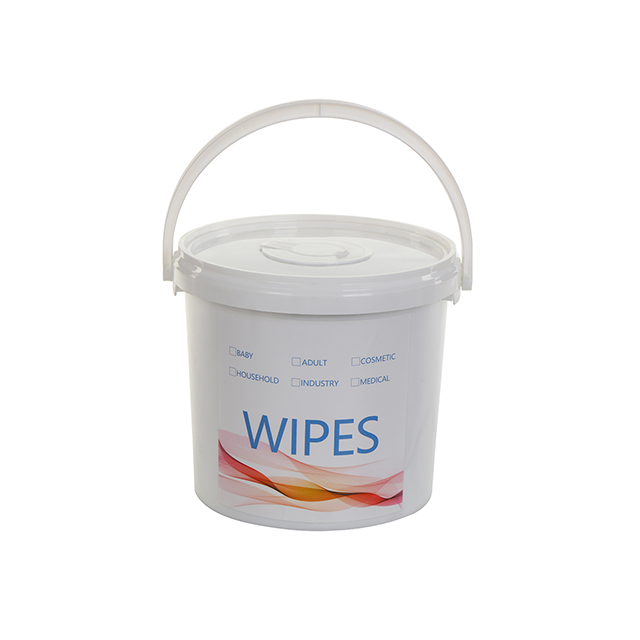
The 150-count canister represents the optimal sweet spot for industrial settings. Buckets containing 300 or 400 wipes often dry out. A single worker cannot consume them fast enough before the seal degrades. Conversely, 50-count tubes require constant restocking. This frequent replenishment frustrates workers and strains inventory staff. Equipping a bench with Industrial Hand Wipes Heavy Duty Bulk 150pcs provides enough volume for weeks of heavy use. It ensures every wipe remains fully saturated until the container is empty.
Facility leaders must shift their financial evaluation metrics. Evaluating the raw "cost per tub" is misleading. Instead, you must calculate the true "cost per use." Cheap, thin wipes force a worker to use three or four sheets to clean their hands. A premium dual-sided wipe requires only one sheet to complete the exact same job. Therefore, a higher-quality substrate dramatically lowers the consumable spend over a fiscal quarter.
Inventory scalability also improves when you standardize your SKU profile. Managing multiple sizes of wipes complicates warehouse storage. Standardizing around a 150-count bulk configuration simplifies B2B procurement. It makes Minimum Order Quantity (MOQ) planning highly predictable. Pallet storage becomes uniform, maximizing warehouse racking space. Procurement managers can negotiate better volume discounts when they consolidate purchasing around one highly effective form factor.
Specialized Applications: From Mechanic Garages to Manufacturing Floors
Industrial grime is not uniform. Different sectors face unique chemical and particulate challenges. Heavy-duty wipes must adapt to various extreme environments without losing efficacy.
Automotive and Heavy Machinery
Mechanics battle synthetic motor oils, lithium grease, and fine carbon dust daily. These contaminants embed deeply into knuckles and fingernail beds. Standard soap merely smears synthetic oils around. High-grade wipes encapsulate these petroleum-based soils. They lift heavy grease effortlessly from skin. Additionally, mechanics use them to wipe down chrome tools before returning them to the chest. This prevents tools from degrading or slipping during future use.
Painting, Plumbing, and Adhesives
Contractors and plumbers handle extremely reactive substances. They work around PVC primers, semi-cured silicone sealants, and expanding polyurethane foam. Once expanding foam cures on skin, it requires harsh mechanical scraping to remove. Heavy-duty wipes break the chemical bond of these adhesives before they fully set. They also effectively dissolve oil-based paints, caulking, and pipe thread compounds without burning the user's hands.
Printing and Specialty Manufacturing
The commercial printing industry utilizes stubborn plastisol inks and UV-cured resins. Historically, press operators relied on acetone or highly volatile screen washes to clean their hands. These chemicals pose severe inhalation and fire risks. Modern dual-action wipes dissolve screen-printing inks safely. They target specialized industrial coatings and epoxy resins efficiently. This eliminates the need for open solvent buckets near printing presses.
Switching your facility's consumable supplies requires careful vetting. Choosing an unreliable vendor disrupts floor operations. Facility managers should use a structured approach to evaluate potential bulk wipe suppliers.
Here are the crucial steps to ensure you select the right manufacturing partner:
Regulatory Compliance: Always demand up-to-date Safety Data Sheets (SDS). Review the documentation carefully. Ensure the chemical profile complies with OSHA guidelines for workplace safety. Avoid any products carrying severe dermal toxicity warnings.
Testing and Validation: Do not buy a full pallet blindly. Run a localized trial first. Place one sample tub at your dirtiest, highest-traffic workstation. Ask the technicians to validate the tear strength. Have them time the cleaning speed. If the floor team rejects it, do not force a facility-wide rollout.
Packaging Integrity: Assess the physical dispensing bucket. Industrial environments are rough. Drop the bucket from waist height. The plastic should not shatter. Inspect the snap-closure lid closely. It must close audibly and tightly to survive harsh handling.
Supply Chain Reliability: Vet the vendor's fulfillment capacity. Ask about their backorder history over the last twelve months. Understand their production lead times. Review their volume discount structures to ensure long-term scalability for your enterprise.
Vendor Evaluation Matrix
Evaluation Criteria
Acceptable Standard
Red Flags to Avoid
Documentation
Provides current SDS and OSHA compliance data
Refusal to share chemical composition
Sample Availability
Offers free or low-cost trial tubs for floor testing
Demands large minimum orders upfront
Packaging Quality
Impact-resistant plastic, airtight snap lids
Flimsy containers, loose-fitting tops
Fulfillment
Transparent lead times, scalable discount tiers
Frequent stockouts, unpredictable pricing
Conclusion
Choosing the right heavy-duty cleaning wipe is not a minor administrative task. It represents a strategic facility decision. The right supplies directly impact workforce productivity and overall worker safety. They also optimize your monthly consumable spend by reducing waste and eliminating washroom travel time.
We highly recommend prioritizing dual-sided textures for maximum scrubbing power. You must insist on skin-safe, conditioning formulas. Always ensure these wipes arrive packed in high-retention bulk tubs. The 150-count size delivers the best balance of longevity and convenience for industrial workstations.
Take action today to upgrade your facility's safety and efficiency. Prompt your purchasing agents to request a sample canister immediately. Download the safety data sheets for compliance review. Contact your sales representative to negotiate wholesale pricing on your first bulk order.
FAQ
Q: Do heavy-duty industrial wipes dry out quickly in bulk buckets?
A: High-quality 150-count canisters feature airtight, snap-close dispensing lids designed to lock in moisture for months. Provided they are closed properly after every use, the specialized fluid suspension formulas prevent the wipes from drying out, even in harsh warehouse environments.
Q: Are industrial hand wipes safe for sensitive skin or frequent daily use?
A: Yes, provided you select formulas appropriately. You must choose products that are solvent-free and VOC-free. High-grade wipes are enriched with premium conditioners like aloe vera, vitamin E, and lanolin. These ingredients actively counteract the degreasing agents, preventing skin cracking during frequent use.
Q: Can these wipes be used on tools and facility surfaces as well as hands?
A: Absolutely. Most heavy-duty hand wipes act as highly effective multi-surface cleaners. They safely remove embedded grease, reactive adhesives, and carbon dust from hand tools, steel workbenches, and machinery exteriors without causing corrosion or cross-contamination.
Q: How should we dispose of heavy-duty industrial wipes?
A: They should be disposed of in standard solid waste bins. You must follow local environmental regulations regarding the specific industrial soils they have absorbed. If they absorb heavy metals or restricted chemicals, treat them as hazardous waste. They are never flushable.
We stick to High and stable quality control system. products are provided and ensured by advanced machines, state of art technology, and professional team. Please feel free to contact us to start our long-term cooperation.