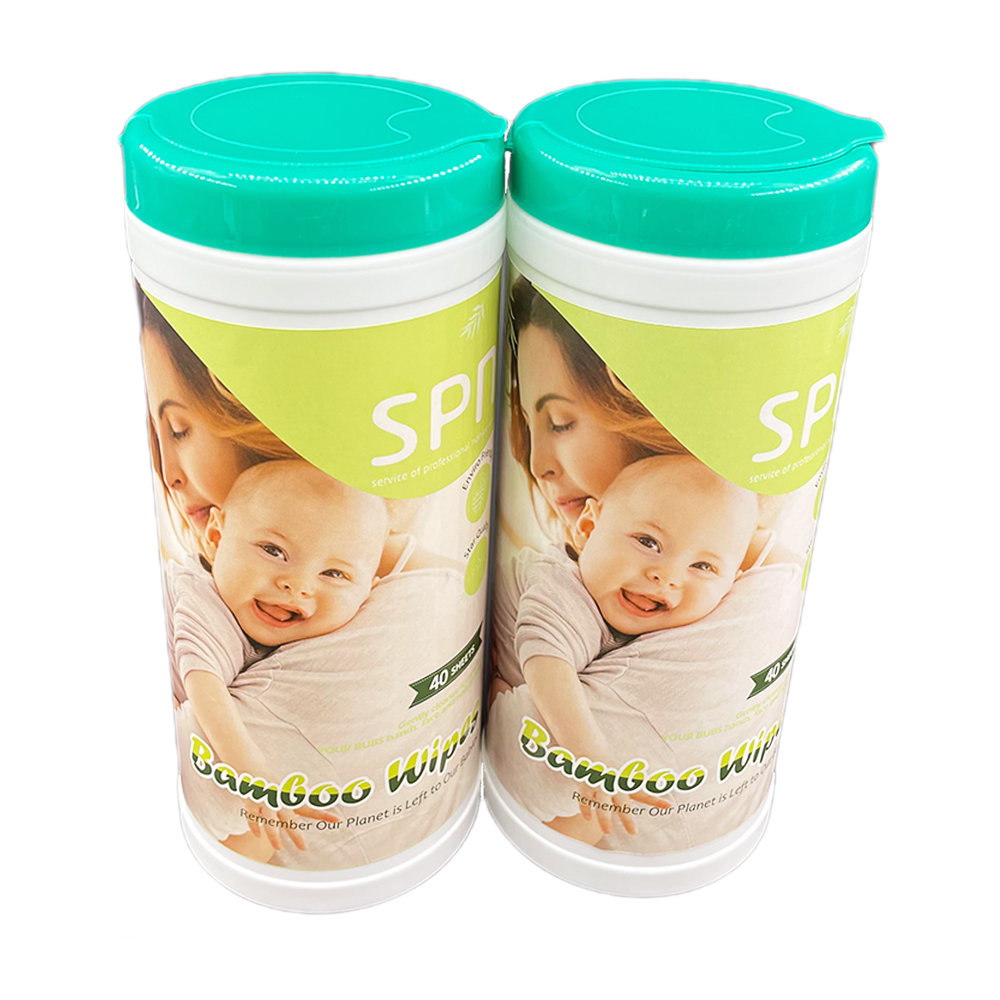
Many eco-conscious parents confidently buy natural wipes assuming they dissolve quickly after use. We want to challenge this widespread marketing hype directly. The truth about natural breakdown relies heavily on exactly how and where you dispose of them.
A massive gap exists between lab-tested biodegradability and real-world disposal scenarios like landfills, sewers, and compost bins. What completely breaks down in a controlled commercial facility often just mummifies in a standard garbage dump.
We will provide a transparent, evidence-based look at actual breakdown timelines across different environments. You will learn about key material differences and how to evaluate eco-friendly claims accurately before your next purchase. This guide will help you confidently choose the right Baby Wipe for your growing family. Understanding these facts ensures your daily habits align perfectly with your broader environmental goals.
Key Takeaways
Timeline Variance: True biodegradable baby wipes can break down in as little as 4 to 12 weeks in a commercial compost facility, but can take months or years in an oxygen-deprived landfill.
Material is Everything: Plant-based materials (bamboo, viscose, cotton) degrade; traditional plastic-based wipes (polyester/polypropylene) only fragment into microplastics.
Flushable ≠ Biodegradable: Even natural wipes should never be flushed unless specifically certified to global flushability standards (like INDA/EDANA), as physical breakdown in water takes too long to prevent plumbing blockages.
Ingredients Matter: Formulas with fewer synthetic chemicals, such as pure water baby wipes, are generally safer for home composting systems.
The Reality of Breakdown Timelines by Disposal Environment
You cannot simply throw an eco-friendly product away and expect nature to process it instantly. Microorganisms require very specific conditions to thrive and consume organic matter. The actual disposal environment dictates the entire chemical breakdown timeline. We break down the four most common disposal scenarios below.
Table: Biodegradable Wipe Breakdown Timelines by Environment
Disposal Environment
Expected Timeframe
Primary Breakdown Mechanism
Key Challenge
Commercial Composting
4 to 12 weeks
Aerobic microbial digestion
Requires access to municipal green bin programs
Home Composting
3 to 6 months+
Slower aerobic digestion
Inconsistent turning and lower pile temperatures
Landfills
Months to years
Anaerobic mummification
Total lack of oxygen and active microbes
Aquatic Environments
Over 5 weeks
Minimal physical dispersion
Cold temperatures halt bacterial action
Commercial Composting (Optimal)
Commercial composting facilities provide the absolute best scenario for organic waste. You can expect a timeline of 4 to 12 weeks. These industrial sites manage moisture levels meticulously. They also generate high heat and sustain massive populations of active aerobic microbes. These microscopic organisms efficiently consume cellulose-based fibers. If your municipality accepts soiled natural fibers in green bins, you should use this option.
Home Composting (Variable)
Home composting takes significantly longer. You will usually wait 3 to 6 months, or even longer. Backyard bins lack the immense volume needed to generate industrial-level heat. They also suffer from lower temperatures and inconsistent turning. Caveat: You must only compost wipes used for wet diapers containing urine or water. You should never compost solid waste at home. Pathogens and harmful bacteria from feces survive typical backyard compost temperatures.
Landfills (The Worst-Case Scenario)
Most household trash ends up in landfills. The timeline here stretches from many months to several years. Landfills are structurally designed to entomb waste. They are strictly anaerobic, meaning they lack oxygen entirely. Even highly biodegradable organic materials undergo "mummification" rather than rapid degradation in these buried environments. Without oxygen, aerobic bacteria cannot survive to eat the fibers.
Aquatic Environments (Rivers & Oceans)
Accidental or intentional littering often introduces waste into waterways. Independent university studies demonstrate concerning results in aquatic settings. Standard research shows that even labeled "biodegradable" products remain fully intact in cold, fresh water for well over 5 weeks. They show virtually no significant physical degradation during this period. Cold temperatures suppress the specific microbial life required to break down natural fibers safely.
Material Science: What Makes a Baby Wipe Truly Biodegradable?
True biodegradability depends entirely on the raw materials. Manufacturers cannot change the fundamental laws of chemistry. A product either serves as food for nature or it pollutes the environment indefinitely.
Plant-Based Substrates
Authentic eco-friendly products rely on natural fibers. Common examples include bamboo, wood pulp (often processed into viscose or rayon), and 100% cotton. These materials share a crucial trait. They consist primarily of cellulose. Microorganisms recognize cellulose chemical structures as a food source. They consume the fibers and convert them into water, biomass, and carbon dioxide. This process leaves zero toxic residue behind.
The Problem with Traditional Wipes
Conventional brands dominate supermarket shelves because they are cheap to produce. They use synthetic resins like polyethylene terephthalate (PET) or polypropylene (PP). Manufacturers blend these plastics to bind fibers tightly together. We must clarify a critical distinction here. Traditional plastics do not undergo chemical biodegradation. They merely undergo physical fragmentation. Over decades, they break down into dangerous microplastics. These tiny plastic shards eventually infiltrate soil, water, and food chains.
The Role of the Liquid Solution (Lotion)
Consumers often ignore the liquid formula soaking the fabric. Heavy synthetic preservatives and harsh chemical lotions actively inhibit microbial action. Bacteria cannot consume a fabric soaked in powerful biocides. Choosing pure water baby wipes provides a superior choice for compostability. They use minimal, clean ingredients. The distinct lack of harsh chemicals ensures you will not disrupt delicate soil flora in your compost bin.
The "Flushable" vs. "Biodegradable" Plumbing Trap
Marketing terms frequently confuse well-intentioned consumers. Many people assume any natural fiber can safely travel down a toilet. This assumption causes billions of dollars in infrastructure damage annually.
Defining the Terms
We must separate two vastly different concepts. "Biodegradable" refers specifically to the end-of-life chemical breakdown caused by bacteria over weeks or months. "Flushable" refers to immediate physical dispersion. A flushable product must lose its tensile strength in water almost instantly. It must tear apart like standard toilet paper within minutes of flushing.
The Plumber’s Reality
Plumbers face nightmares because of misused hygiene products. Intact biodegradable fibers maintain their structural strength for days in water. As they travel down sewer lines, they catch on minor pipe imperfections. They quickly combine with household fats, oils, and greases (FOG). This combination creates massive, rock-solid blockages known as "fatbergs." These blockages back up raw sewage into homes and destroy municipal pumps.
Evaluating Flushability
If you specifically need a flushable product, you must look for strict pass/fail standards. The INDA/EDANA testing protocols rigorously evaluate how quickly a fabric disperses in agitated water. Do not rely on a general "biodegradable" claim. Always assume standard baby wipes belong in the trash unless a certified flushability logo appears clearly on the package.
How to Avoid Greenwashing: Certifications to Look For
Unregulated marketing language plagues the personal care industry. Brands frequently use misleading visuals to suggest environmental safety. You can protect yourself by demanding verified proof.
Third-Party Verifications
Skeptical buyers should always look for independent audits. We recommend checking packaging for these three global standards:
FSC (Forest Stewardship Council) Certification: This logo ensures the wood pulp or viscose is sustainably sourced from responsibly managed forests. It prevents deforestation, though it does not guarantee compostability itself.
TÜV Austria OK Compost (Home / Industrial): This serves as the gold standard for verifying end-of-life claims. It guarantees a product breaks down within a specific timeframe without leaving toxic residue behind.
Oeko-Tex Standard 100: This independent certification ensures the textile is completely free from harmful substances. It guarantees safety for both human contact and eventual soil breakdown.
Red Flags
You should immediately warn yourself against vague, unregulated terms. Phrases like "earth-friendly," "made with natural materials," or simply "green" lack strict regulatory definitions. Companies use them specifically to avoid expensive third-party testing. Always look for official logos rather than stylized green leaves.
Making the Final Decision: Choosing the Best Wipes for Your Baby and the Planet
Parents face a constant balancing act between efficacy and ethics. You want to protect the environment. However, you also need a product that handles messy diaper changes effectively.
Balancing Efficacy and Ethics
You do not need to sacrifice performance for sustainability. High-quality natural fibers perform exceptionally well. They hold moisture effectively and capture messes efficiently. By establishing a clear decision framework, you can align your purchases with your household values.
Skin Health Priority
Eco-friendliness should never compromise daily baby care. Infant skin absorbs substances readily and reacts quickly to friction. Using high-quality sensitive skin baby wipes made from organic cotton or bamboo offers a dual benefit. They are naturally hypoallergenic and highly compost-friendly. Bamboo, in particular, provides incredible softness without needing synthetic softening agents. Choosing premium biodegradable baby wipes ensures your child stays comfortable while you reduce plastic waste.
Final Checklist for Purchase
Check the material. The substrate must be clearly labeled as 100% plant-based (cotton, bamboo, or viscose).
Check the ingredients. Look for pure water or minimalist, plant-derived formulas without harsh synthetic preservatives.
Check the packaging. Determine if the plastic wrapper itself is recyclable or made from Post-Consumer Recycled (PCR) plastic.
Have a realistic disposal plan. Decide honestly if you can access a compost facility, or if the product will inevitably go into the standard trash bin.
Conclusion
Biodegradable hygiene products represent a significant step up from traditional plastic alternatives. However, they are not magic. Their breakdown timeline ranges widely from just a few weeks in optimal compost to several years in a deprived landfill. True environmental impact relies heavily on user habits.
You should treat biodegradable claims as a strong indicator of safer materials. You should never treat them as a license to flush or litter freely. Proper disposal dictates the final outcome.
We encourage you to audit your current nursery stash today. Check your packages for reputable certifications. Adopt responsible disposal habits immediately to protect both your local plumbing and the global environment.
FAQ
Q: Can you flush biodegradable baby wipes down the toilet?
A: No, unless they explicitly carry certified "flushable" credentials. Biodegradable wipes maintain their physical strength in water for too long and will clog pipes. They undergo slow chemical breakdown, not the rapid physical dispersion required for safe plumbing transit.
Q: Do pure water baby wipes break down faster?
A: The liquid formula itself doesn't break down the wipe, but pure water formulas are free of harsh synthetic chemicals, making them safer for the microorganisms in compost bins that do the breaking down. Clean formulas ensure aerobic bacteria thrive.
Q: What happens if a biodegradable wipe ends up in the ocean or a river?
A: Studies show that because aquatic environments lack the specific heat and microbes of a compost pile, biodegradable wipes can remain intact for many weeks or months, posing temporary risks to marine life. They require managed terrestrial environments to degrade rapidly.
Q: Are bamboo baby wipes better for sensitive skin than regular wipes?
A: Yes, natural bamboo fibers are inherently soft, highly absorbent, and less abrasive than synthetic plastics, making sensitive skin baby wipes made from bamboo an excellent choice for preventing diaper rash. They offer premium comfort while remaining environmentally responsible.
We stick to High and stable quality control system. products are provided and ensured by advanced machines, state of art technology, and professional team. Please feel free to contact us to start our long-term cooperation.