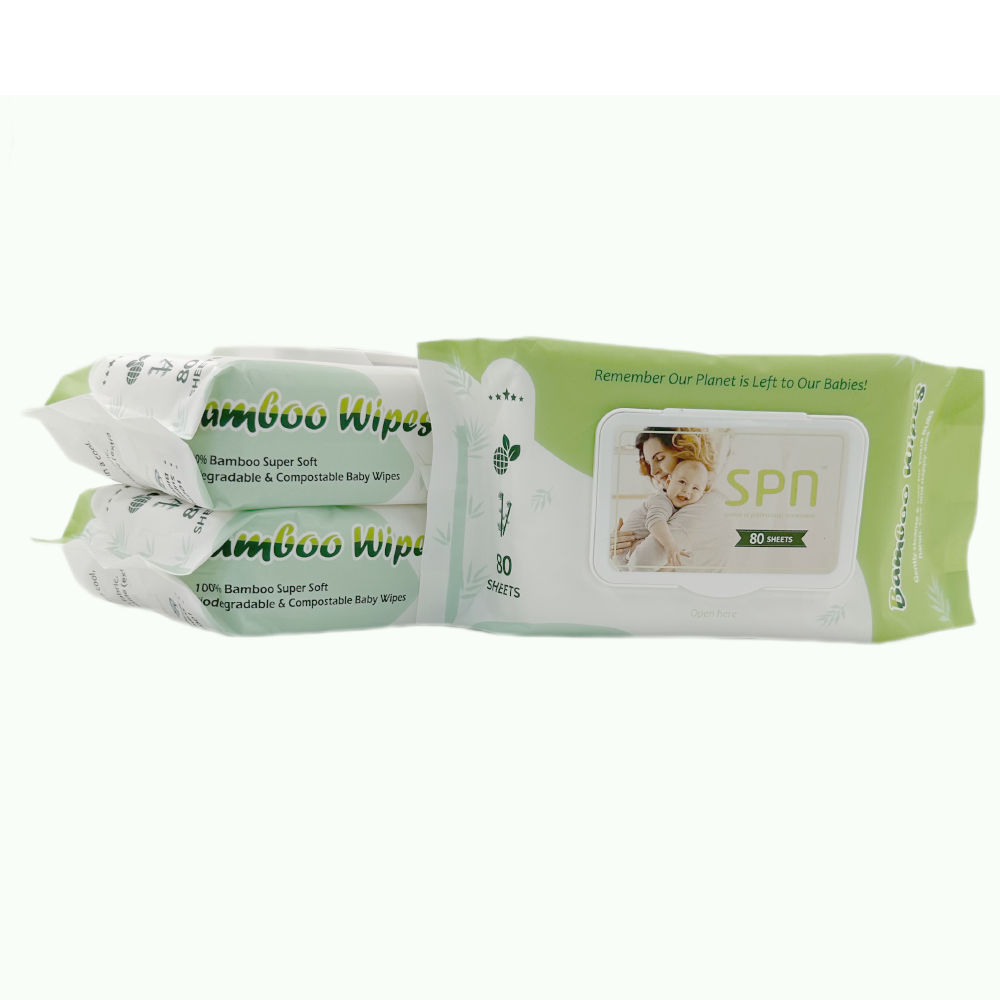
Parents often face severe decision fatigue today. You must constantly balance infant skin safety against environmental responsibility. It feels impossible to choose between daily convenience and doing what is right for the planet. Traditional wipes often rely on harsh chemicals. They also contain non-biodegradable plastics. These synthetic materials irritate sensitive skin and contribute heavily to global landfill waste. Fortunately, a better alternative exists. Natural bamboo baby wipes offer an evidence-backed solution. They meet strict hypoallergenic requirements while championing ecological sustainability. Bamboo provides a gentle touch and breaks down naturally after disposal. This article will provide a clear, transparent framework. We will help you evaluate these products accurately. You will learn how to purchase the right bamboo wipes for your household. Discover how to protect your baby while respecting the earth.
Key Takeaways
Material Superiority: Bamboo fibers naturally offer higher tensile strength and softer texture without requiring chemical softening agents.
Safety First: The best options utilize unbleached processing and strictly exclude parabens, alcohol, and artificial fragrances.
Practical Sizing: A pack of Natural Bamboo Baby Wipes 80-100pcs offers the ideal ratio of cost-efficiency to moisture retention.
Environmental Reality: While highly biodegradable, proper disposal methods (composting vs. landfill) dictate their true ecological impact.
The Dual Challenge: Protecting Sensitive Skin While Reducing Waste
Infant skin barriers function differently than adult skin. They are significantly thinner and far more permeable. This physiological reality makes infants highly susceptible to chemical absorption and physical abrasion. We must view diaper rash and contact dermatitis as primary metrics for product failure. If a cleansing cloth causes redness or inflammation, it fails its most basic purpose. Traditional options often disrupt the delicate acid mantle of an infant.
The standard diapering industry also harbors a massive plastic problem. Many commercial brands hide synthetic resins inside their fabrics. Manufacturers frequently weave polyester or polypropylene into the material to increase durability. These hidden plastics never truly degrade. They simply break down into microplastics. These particles clog local landfills and eventually pollute vital waterways. Parents unknowingly contribute to this waste cycle multiple times a day.
Bamboo offers a compelling dual-value proposition. It acts as a highly renewable resource. The plant grows incredibly fast and requires minimal water. Simultaneously, it provides a safe, hypoallergenic surface for daily use. Bamboo fibers are naturally round and smooth. They glide across sensitive areas without causing microscopic abrasions. You can protect your baby from severe discomfort while significantly reducing household plastic waste.
What Makes Natural Bamboo Superior to Traditional Synthetic Wipes?
Unbleached vs. Bleached Processing
Manufacturing methods directly impact product safety. Traditional companies often rely on heavy chemical bleaching. They use chlorine or harsh peroxides to achieve a pure white appearance. This aesthetic choice comes at a steep price. Chemical bleaching strips natural fibers of their integrity. More alarmingly, the process leaves behind residual toxins. Dioxins are highly toxic chemical byproducts. They can linger on the fabric and transfer directly onto sensitive skin.
Physical original-color processing presents a much safer alternative. Unbleached methods preserve the natural structural integrity of the plant. The final product retains a slight off-white or tan hue. This coloration serves as a visible safety indicator. Unbleached fibers eliminate unnecessary chemical exposure entirely. You prioritize your infant’s long-term health over superficial visual preferences.
Inherent Fiber Properties
Bamboo possesses a unique microporous structure. These microscopic gaps allow the material to naturally wick moisture away. The fabric absorbs liquids rapidly and holds onto them efficiently. This structural advantage gives bamboo exceptional cleaning power. The fibers trap messes instead of merely pushing them around.
This natural absorbency yields a highly practical outcome. Parents need fewer wipes per diaper change. A single bamboo sheet often accomplishes the work of three synthetic ones. Furthermore, the inherent tensile strength prevents tearing during heavy-duty cleanups. You experience less frustration and consume fewer resources overall.
Key Evaluation Criteria for Choosing Safe Bamboo Wipes
The Chemical Blacklist
Decision-stage buyers must establish strict non-negotiables. You must scrutinize ingredient labels meticulously. True safety requires a comprehensive chemical blacklist. Reject any product containing parabens, alcohol, phthalates, or synthetic fragrances. Parabens act as endocrine disruptors. Alcohol strips away essential natural skin oils. Phthalates pose long-term developmental risks. Synthetic fragrances frequently trigger severe allergic reactions.
We recommend looking for a 99% purified water base. The remaining one percent should consist only of gentle plant-based additives. Ingredients like aloe vera or chamomile extract provide safe, natural soothing properties. These additions reduce inflammation naturally. They support skin recovery without introducing harmful artificial compounds.
Verifying "Eco-Friendly" Claims
Greenwashing remains a persistent issue in the baby care market. You must look for industry-standard certifications to verify marketing claims. FSC (Forest Stewardship Council) certification ensures responsible bamboo sourcing. It guarantees the bamboo originates from sustainably managed forests. OEKO-TEX certification confirms the final textile contains no harmful substances. EWG (Environmental Working Group) verification provides the highest standard for ingredient safety.
You must also differentiate between confusing environmental terms. Understanding these definitions helps temper exaggerated environmental claims.
Biodegradable vs. Compostable Characteristics
Term
Definition
Timeline
Environmental Impact
Biodegradable
Breaks down into smaller elements through biological processes.
Months to years, depending on landfill conditions.
May leave trace elements behind. Better than plastic.
Compostable
Breaks down entirely into nutrient-rich organic matter.
Usually 90 to 180 days in proper composting environments.
Zero toxic residue. Actively nourishes the soil.
Why Natural Bamboo Baby Wipes 80-100pcs is the Optimal Configuration
Moisture Retention vs. Bulk Buying
Wet cleansing cloths face strict physical limitations. They rely entirely on their moisture lock to remain effective. Packs larger than 100 sheets present significant evaporation risks. The bottom layers often dry out before you ever reach them. Conversely, packs containing under 80 sheets create logistical headaches. They require constant reordering and increase your overall packaging waste.
Choosing a pack of Natural Bamboo Baby Wipes 80-100pcs offers the ideal compromise. This specific quantity represents the sweet spot for modern parents. It ensures the first wipe feels just as damp as the final one.
The Economics of Pack Sizing
We must analyze the cost-per-wipe efficiency. The 80-100 piece format consistently offers the highest value. Manufacturers optimize their production lines for this specific size. Shipping costs drop significantly compared to sending dozens of micro-packs. You receive maximum product volume without sacrificing moisture integrity.
Pack Size Efficiency Chart
Pack Size
Moisture Risk
Cost Efficiency
Overall Rating
Under 80 pcs
Low (used quickly)
Poor (high packaging cost)
Suboptimal
80-100 pcs
Low (ideal usage rate)
Excellent (balanced cost)
Optimal
Over 100 pcs
High (dries out easily)
Good (cheap per wipe)
Risky
Dispensing Mechanics
Physical weight plays a crucial role during chaotic diaper changes. A pack containing 80 to 100 pieces provides necessary anchoring. The mass of the pack holds the container firmly on the changing table. This precise weight allows for true one-handed dispensing. You can pull a single sheet easily while securing your infant. It prevents the dreaded "clumping" pull. You will no longer pull five sheets out simultaneously by accident.
Real-World Use: Implementation Realities and Considerations
The "Flushability" Myth
You must actively ignore flushability claims. Plumbing systems cannot handle dense fibrous materials. Even highly natural bamboo cloths pose severe safety risks to residential pipes. They do not disintegrate rapidly enough in standing water. You should always bin them securely. If local municipal rules allow, you may compost wet sheets used exclusively for urine. Never flush them down a toilet under any circumstances.
Cost Considerations
We must transparently acknowledge the pricing landscape. Bamboo options carry a premium price point compared to standard synthetic versions. You must reframe this initial cost as a strategic investment. You will spend significantly less money on expensive diaper rash creams. You will also schedule fewer pediatric visits for severe contact dermatitis. Higher absorbency dictates lower overall consumption per change. The long-term financial difference often balances out entirely.
Storage and Shelf Life
Preservative-free products demand specific storage practices. Without synthetic preservatives, natural fibers become susceptible to mold growth. Always store your unopened packs in a cool, dark environment. Direct sunlight degrades the natural water base quickly. Once opened, ensure the moisture-lock seal clicks shut firmly after every single use. Proper storage maintains the integrity of the gentle formula for months.
Shortlisting Your Options: How to Make the Final Decision
Assess the Ingredient Deck
Start your evaluation by reading the back of the package. Prioritize brands showcasing the shortest ingredient lists. Transparency is paramount in infant care. You should instantly recognize every item listed. If you cannot pronounce an ingredient, put the package back down immediately. Simple formulas prevent complex allergic reactions.
Evaluate the Packaging
The packaging itself requires careful inspection. Look for fully recyclable outer materials. A rigid, plastic flip-top lid is functionally superior to a weak sticker seal. The sticker seal quickly loses its adhesive properties after a few days. A reliable moisture-lock seal prevents your investment from drying into useless dry cloths.
Trial and Subscription
Never buy a six-month supply of an untested product. Follow this structured approach to mitigate purchasing risks:
Start Small: Purchase a single multi-pack trial consisting of three to four individual packs.
Test Compatibility: Use them exclusively for two full weeks. Monitor the diaper area closely for any emerging redness or irritation.
Commit Confidently: Transition to a "Subscribe & Save" bulk delivery model only after verifying complete skin compatibility. This strategy guarantees savings without trapping you with unusable products.
Conclusion
Bamboo cleansing cloths effectively resolve a major modern parenting tension. They deliver superior infant skin care while honoring deep ecological responsibility. You no longer have to compromise safety for convenience. Natural fibers clean effectively, soothe tender skin, and respect the planet's boundaries.
Mitigate your purchasing risks by focusing on strict criteria. Prioritize unbleached fibers to avoid residual toxins. Demand fully transparent ingredient lists free from harsh chemicals. Optimize your daily routine by selecting the perfect pack size. The 80 to 100 piece format prevents frustrating clumping and unwanted drying.
Take action today by evaluating your current nursery supplies. Read the ingredient deck on your existing brand. If you spot hidden plastics or parabens, it is time for a change. Transition to a thoroughly vetted bamboo solution and secure a healthier future for your household.
FAQ
Q: Are natural bamboo baby wipes safe for newborns and premature babies?
A: Yes, they are highly recommended for early stages. Undeveloped infant skin barriers easily absorb harsh chemicals found in standard synthetic options. Quality bamboo products strictly exclude alcohol, synthetic fragrances, and parabens. Their unbleached, non-abrasive texture prevents microscopic tears. This keeps premature infant skin exceptionally safe, clean, and adequately moisturized.
Q: How long does a pack of Natural Bamboo Baby Wipes 80-100pcs typically last?
A: A single Natural Bamboo Baby Wipes 80-100pcs pack lasts roughly four to seven days for a newborn. Newborns require frequent diaper changes, often using 10 to 20 sheets daily. Older toddlers need fewer changes, extending a single pack's lifespan to two full weeks. Higher absorbency ensures fewer sheets used per change.
Q: Can I compost bamboo baby wipes at home?
A: It depends entirely on their specific usage. You can safely compost wet sheets used only for urine in a home setup. However, never compost sheets used for solid waste in a backyard bin due to harmful bacteria risks. Always dispose of feces-soiled items in regular trash or industrial composting facilities.
Q: Why do some bamboo wipes look slightly brown or off-white?
A: This slight off-white color serves as a highly positive safety indicator. It signifies a gentle, physical original-color processing method. Traditional pure white products undergo aggressive chemical bleaching. Leaving the natural fiber intact eliminates residual toxins like dioxins entirely. You receive a safer, stronger, and completely non-toxic product.
We stick to High and stable quality control system. products are provided and ensured by advanced machines, state of art technology, and professional team. Please feel free to contact us to start our long-term cooperation.