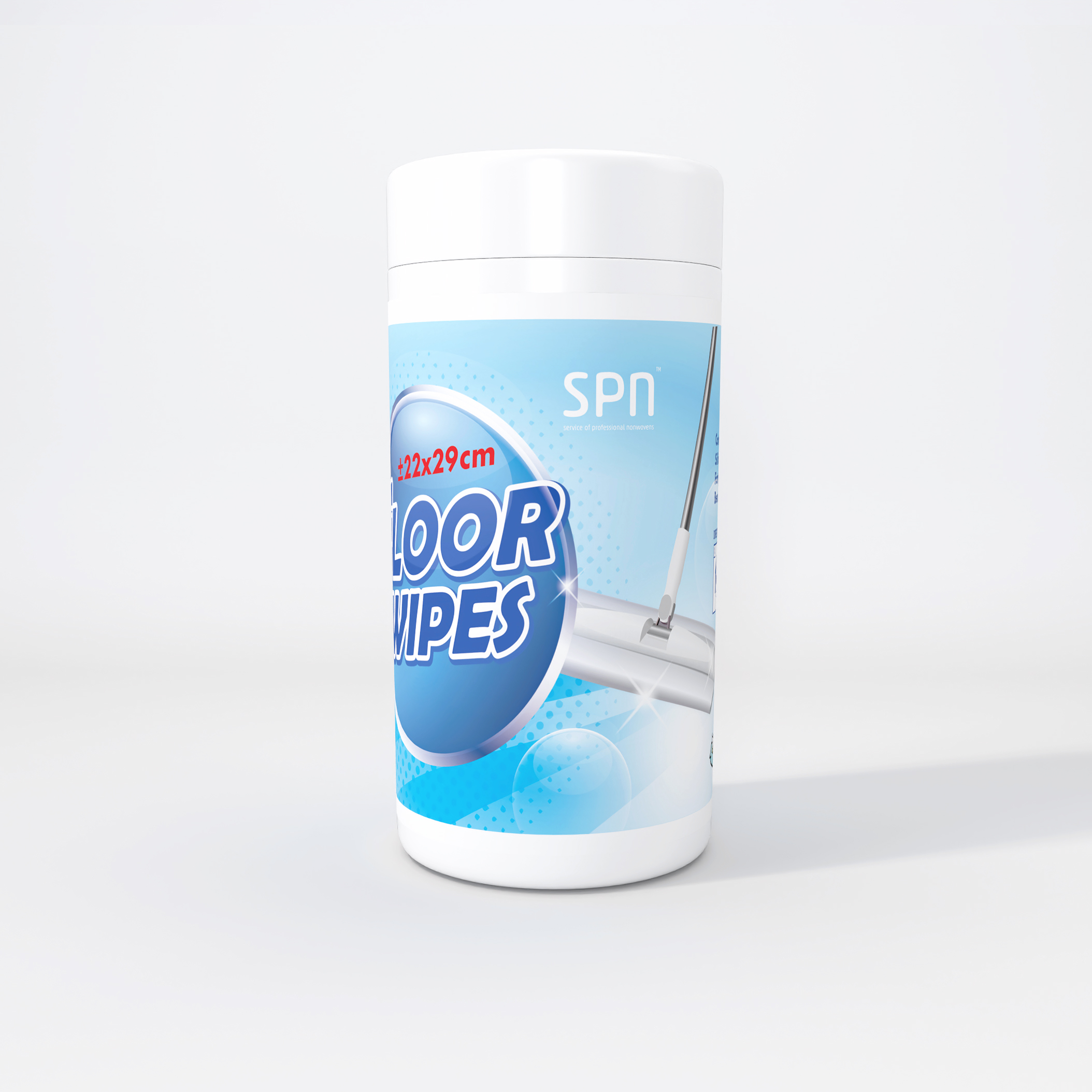
The retail market for surface cleaning products remains heavily saturated today. Relying on generic, off-the-shelf white-label items often sparks brutal price wars. Such uninspired strategies lead directly to severe margin erosion for retailers. You must differentiate your product to capture customer loyalty and secure repeat purchases.
Retailers and brand managers face complex trade-offs during development. You must balance substrate quality, chemical formulation, packaging durability, and unit economics carefully. Launching a successful line demands strict attention to these integrated variables. Failing to align them properly causes dry wipes, leaking packages, or poor cleaning results.
This article provides a commercial framework for evaluating your manufacturing options. We will explore how to select optimal packaging, evaluate formulas, and shortlist manufacturing partners. You will learn how to guarantee product efficacy and maintain strict regulatory compliance. Use these actionable insights to build a superior, brand-protected product line.
Key Takeaways
Substrate defines performance: Matching the non-woven fabric's GSM (grams per square meter) and material blend to the specific chemical formulation is critical to prevent degradation and ensure optimal moisture release.
Packaging impacts shelf life: The choice between flow packs and rigid canisters dictates not only freight costs but also moisture retention and long-term chemical stability.
Formulation dictates compliance: Products marketed as disinfectants require stringent regulatory approvals (e.g., EPA registration in the US), whereas standard household cleaning solutions face lower, but still significant, safety thresholds.
Supplier vetting requires operational transparency: Evaluating manufacturers on raw material traceability, quality control gating, and scalability is more important than initial unit cost.
Defining Success Criteria for Private Label Household Cleaning Wipes
Creating profitable private label household cleaning wipes begins with clear market positioning. You must align physical product specifications directly against your target retail price points. Premium features naturally increase your manufacturing costs. Biodegradable substrates or botanical extracts appeal to eco-conscious buyers. However, you must evaluate these higher costs against your expected profit margins.
Application-specific performance drives consumer satisfaction. You cannot use a universal approach for all surface types. Determining the primary use case dictates your physical design. For example, kitchen cleaning wipes demand heavy-duty performance. They require aggressive grease-cutting agents and high abrasion resistance. These requirements differ significantly from gentle dusting cloths or streak-free glass cleaning applications.
Engineers often refer to the "Formulation-Packaging-Substrate Triangle." You must understand this interdependent relationship. A failure in compatibility between any of these three elements destroys product viability. Poor fabric choice neutralizes active chemicals. Weak packaging leads to premature drying. You must evaluate the system as a whole.
The Interdependency Chart (Formulation-Packaging-Substrate)
Component
Primary Role
Failure Risk if Mismatched
Substrate
Holds and releases the liquid evenly.
Fibers bind to active ingredients; poor moisture release.
Formulation
Breaks down soils, grease, or pathogens.
Chemicals degrade the packaging lining over time.
Packaging
Protects the product from air and contamination.
Seal failure causes rapid moisture loss and dry wipes.
Evaluating Substrates and Chemical Formulations
Substrate selection determines the physical carrier of your product. Spunlace non-woven fabric remains the industry standard. This material blends polyester (PET) and viscose fibers. It offers an excellent balance of mechanical strength and liquid retention. Consumers expect this familiar, durable texture.
Retailers increasingly seek sustainable alternatives to traditional plastics. You can specify bamboo, 100% viscose, or flushable plant-based fibers. These materials support eco-conscious retail positioning perfectly. GSM (grams per square meter) and texture also influence perceived value. Higher GSM indicates a thicker, more premium feel. Textured variants, like embossed or dotted patterns, improve mechanical scrubbing power significantly.
Chemical formulation options vary widely based on intended use.
Degreasing & Multi-Surface: These surfactant-heavy formulas lift particulate soils effortlessly. They clean tough messes without leaving visible streaks behind.
Specialty Formulas: Quick-drying, low-residue solutions serve niche applications. You might develop custom logo floor wipes for hardware chains or specialty retail brands.
Natural/Botanical vs. Synthetic: Plant-based cleaning agents appeal to modern shoppers. Citric acid and thymol offer natural efficacy. You must weigh their performance against traditional synthetic surfactants.
Packaging Configurations: Shelf-Life, UX, and Scalability
Your packaging choice dictates both consumer experience and supply chain efficiency. Rigid canisters or tubs offer high perceived value. They provide excellent moisture retention over time. Consumers find them highly durable for heavy household use. However, rigid tubs ship a large volume of empty air. They incur higher freight costs, increased tooling fees, and heavy plastic usage.
Flow packs, also known as soft packs, solve many logistical challenges. Adding rigid fliptop lids improves their functionality. Flow packs offer highly cost-effective freight. They drastically reduce your plastic footprint. Manufacturers can scale soft pack production rapidly. The main drawback involves seal integrity. Poorly manufactured adhesives or cheap rigid lids risk seal failure. This leads directly to premature drying.
Material compatibility represents a hidden pitfall. You must ensure the internal lining will not degrade. Laminated films, like PET/PE structures, contain the liquid safely. Certain harsh chemicals can attack weak laminate layers. You must verify packaging integrity over an 18-24 month shelf life. Rigorous compatibility testing prevents disastrous leaks on retail shelves.
Packaging Format Comparison Chart
Format Type
Pros
Cons
Best Fit For
Rigid Canister (Tub)
High durability, great moisture lock, easy one-hand dispensing.
High shipping volume, expensive tooling, high plastic use.
Navigating Quality Assurance, Compliance, and Risk Mitigation
Understanding regulatory distinctions protects your brand from costly recalls. A critical difference exists between a basic cleaning wipe and a sanitizing product. Standard household cleaning solutions face lower safety thresholds. Disinfectants require stringent regulatory approvals. In the US, you must navigate complex EPA registrations. You must clearly establish who holds the master formula registration—your brand or the manufacturer.
Stability testing remains absolutely non-negotiable. Accelerated aging tests expose products to high thermal stress. These time-based protocols simulate long-term shelf storage. You must demand this data before finalizing any purchase order. Failing to test stability invites mold growth, chemical separation, or fabric breakdown.
Quality control protocols separate excellent manufacturers from risky ones. You must audit potential facilities rigorously. Examine their water purification standards carefully. Industry leaders use EDI (Electrodeionization) or RO (Reverse Osmosis) water systems. Pure water prevents bacterial contamination during compounding. Strict QC gating at every production phase ensures consistent, safe products.
Contract Manufacturing vs. Toll Manufacturing: Shortlisting Partners
Objective evaluation of manufacturing partners requires a structured approach. You should build a comprehensive supplier capabilities matrix. Measure automated line speed closely. Fast lines lower your per-unit costs but often demand higher Minimum Order Quantities (MOQs). Assess their in-house compounding capabilities. Manufacturers controlling their own chemistry offer greater flexibility.
Decide early between turnkey and custom manufacturing models. Turnkey solutions use a manufacturer's vetted, off-the-shelf formula. This route guarantees a faster time-to-market. Alternatively, you can invest in a fully bespoke formulation. Custom chemistry offers higher IP ownership and brand exclusivity. However, custom development requires significantly longer lead times and higher R&D budgets.
Evaluate your supplier's supply chain resilience. Global disruptions happen frequently. Assess how they manage raw material shortages. Can they secure non-woven fabric during high-demand cycles? Ask about their secondary supplier networks. Strong partners maintain diverse sourcing channels to protect your inventory flow.
Request documentation: Ask for ISO certifications and water purity test results.
Review line capacity: Ensure they can meet both your initial pilot run and projected peak volumes.
Audit the supply chain: Verify they source sustainable fibers and reliable packaging films.
Test the samples: Conduct independent blind testing against leading national brands.
Conclusion
Launching successful private label wipes requires moving far beyond basic price-per-unit shopping. You must evaluate the chemical and physical stability of the whole product system. Substrates, chemicals, and packaging must work in perfect harmony. Mismatched components ruin the user experience and damage your brand.
Take decisive action to begin your evaluation process today. First, request physical substrate samples from potential partners. Second, demand long-term stability testing data for any baseline formulas they propose. Finally, audit your shortlisted manufacturers thoroughly for strict regulatory compliance and robust supply chain practices.
FAQ
Q: What is the standard minimum order quantity (MOQ) for private label wipes?
A: Standard MOQs typically range from 10,000 to 50,000 units. This depends heavily on your chosen packaging format. Rigid canisters often require higher MOQs due to tooling. Custom formulations also push MOQs higher, whereas off-the-shelf white-label formulas allow for smaller initial test runs.
Q: How long does it take to launch a custom formulation?
A: A fully custom formulation usually requires 4 to 6 months. This timeline accounts for R&D, stability testing, packaging design, and final production. Conversely, launching an off-the-shelf, pre-vetted turnkey formula takes only 4 to 6 weeks.
Q: Can any cleaning formulation be put on any non-woven wipe?
A: No. Chemical absorption issues frequently occur. For example, quaternary ammonium compounds (quats) often bind tightly to certain natural fibers. This binding effectively neutralizes the active disinfecting ingredient. You must match the liquid chemistry precisely to the fabric type.
Q: What certifications should a household wipes manufacturer hold?
A: Look for critical baselines like ISO 9001 for general Quality Management. ISO 22716 is vital if they cross-manufacture cosmetics or personal care items. Furthermore, an EPA establishment registration is legally required if your product claims any sanitizing or disinfecting properties.
We stick to High and stable quality control system. products are provided and ensured by advanced machines, state of art technology, and professional team. Please feel free to contact us to start our long-term cooperation.