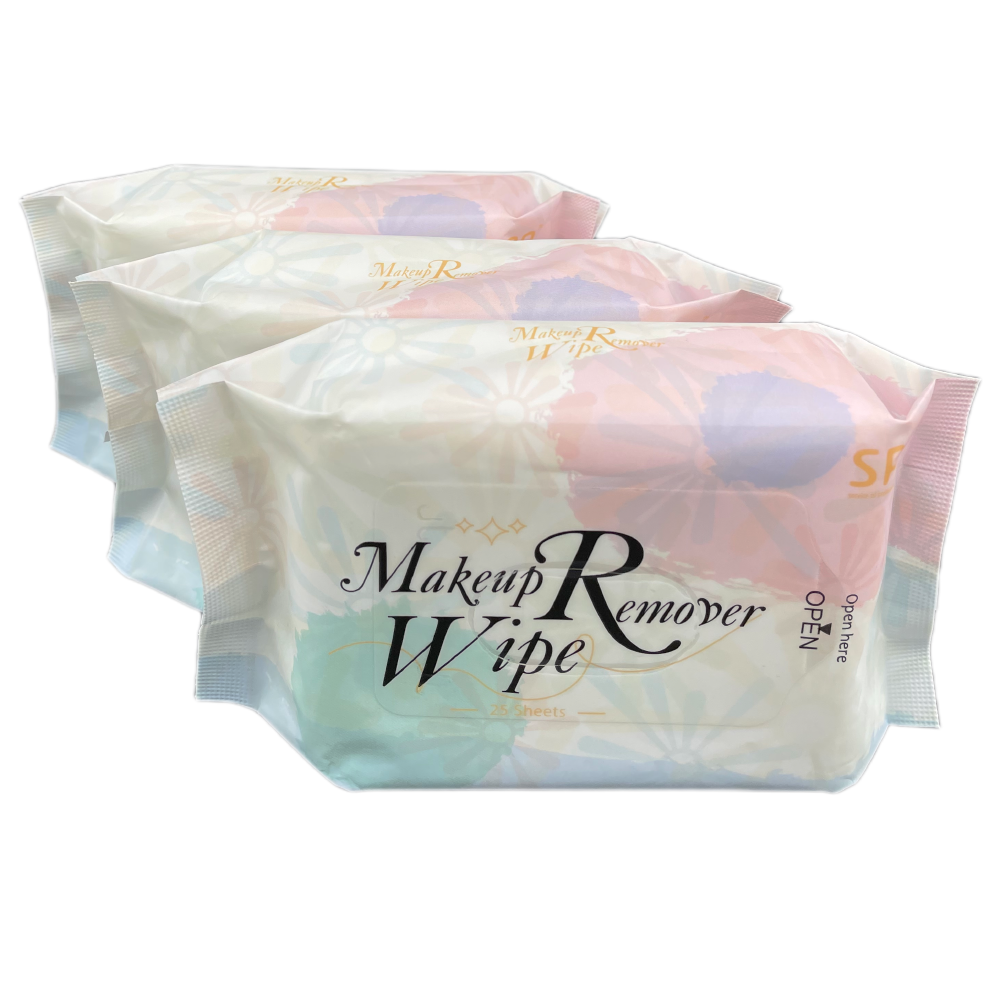
The beauty market moves fast. Launching a skincare brand often feels highly accessible today. Yet, the commercial reality paints a very different picture. The barrier to entry for private label makeup remover wipes and cosmetic wipes is undeniably low. However, creating a profitable, high-retention product remains incredibly difficult. Many new brands fail early due to entirely preventable manufacturing and design issues.
Wipes dry out prematurely on store shelves. Consumers experience adverse skin reactions from unbalanced ingredients. Products fail basic stability tests long before reaching the end user. You need a highly strategic approach to overcome these common hurdles. This comprehensive guide breaks down the technical and commercial realities of building a resilient product line. We will explore exactly how to select the right physical substrates, optimize liquid formulations, and choose foolproof packaging to ensure your brand thrives.
Key Takeaways
Formulation success depends equally on the liquid makeup remover and the physical substrate (material) holding it.
Packaging dictates shelf life; investing in rigid moisture-lock closures is critical to preventing dry-outs, a primary source of negative customer reviews.
Evaluating a manufacturing partner requires verifying GMP certifications, understanding their Minimum Order Quantities (MOQs), and requiring multi-condition stability testing before mass production.
Sustainable options (like biodegradable bamboo or cotton) are increasingly baseline requirements for modern cosmetic buyers, rather than premium add-ons.
Analyzing the Core Components of Cosmetic Wipes
The physical fabric of your wipe matters immensely. Industry experts refer to this fabric as the substrate. The substrate dictates how the product actually feels against human skin. It also determines how much cleansing liquid the wipe can hold. We see many brands choose the wrong fabric blend. A rough texture harms sensitive skin barriers. Poor liquid retention leaves dry patches on the fabric. This creates a frustrating consumer experience.
You have several material options when designing a product. Each option serves a distinct commercial purpose.
Standard Viscose and Polyester Blends: These offer a highly cost-effective choice. They remain incredibly durable during vigorous scrubbing. Polyester adds strength, while viscose absorbs the liquid.
Biodegradable Options: Modern buyers demand clean-beauty positioning. You can utilize 100% Cotton, Bamboo, or Wood Pulp. These natural materials break down much faster in landfills.
Texture Variations: Fabrics come in smooth or embossed finishes. Smooth fabrics work beautifully for gentle, everyday cleansing. Embossed textures feature raised patterns. These patterns help scrub away stubborn cosmetics. They work especially well for custom makeup remover pads.
You must constantly monitor formulation compatibility. Physical materials react to chemical liquids. Certain active ingredients degrade specific eco-friendly substrates over time. For example, highly acidic formulas can break down bamboo fibers. This causes the wipe to disintegrate inside the packaging. You must match the aggressiveness of your formula to the durability of your chosen fabric.
Best Practices for Substrate Selection
Specify the GSM (Grams per Square Meter) clearly. Higher GSM means a thicker, more premium wipe.
Request spunlace non-woven fabrics. They offer a softer touch without chemical binders.
Always test the fabric stretch. It should not tear easily when pulled.
OEM Facial Cleansing Wipes Formulations and Target Demographics
Developing OEM facial cleansing wipes requires precise chemistry. Your target demographic dictates the exact liquid profile you need. Different skin types require entirely different chemical approaches.
Micellar water formulas dominate the sensitive skin market. Consumers love them for quick, daily use. They utilize tiny oil molecules called micelles. These micelles attract dirt and makeup gently. However, they require highly precise preservative systems. Micellar water easily supports rapid microbial growth if left unprotected. Formulators must balance efficacy against safety.
Oil-based and dual-phase liquids serve a heavier purpose. They remain absolutely necessary for waterproof makeup removal. Stubborn mascara resists water-based solutions. Always evaluate these heavier formulas for non-comedogenic claims. Clogged pores lead directly to negative product reviews. The oils must dissolve makeup without suffocating the skin.
Modern consumers actively seek plant-based additives. Incorporating aloe vera, chamomile, or green tea extracts boosts shelf appeal significantly. These "clean" ingredients help soothe irritated skin after scrubbing. They also provide excellent marketing angles for your packaging.
Regulatory considerations remain completely non-negotiable. You must navigate various label claims carefully. These include alcohol-free, paraben-free, and hypoallergenic statements. "Hypoallergenic" often requires specialized human repeat insult patch testing (HRIPT). Ensure the final formulation strictly meets regional standards. You must satisfy FDA regulations in the United States. If you sell internationally, you must comply with the strict EU Cosmetics Regulation.
Common Formulation Mistakes
Using too much surfactant, which leaves a sticky residue on the face.
Failing to balance the pH level to match natural human skin (around pH 5.5).
Relying on outdated parabens instead of modern, broad-spectrum preservatives.
Packaging Strategies to Prevent Moisture Loss and Improve Shelf Appeal
Packaging dictates the ultimate lifespan of your product. Moisture loss ruins even the greatest formulations. A dry wipe is completely useless to the consumer. Let us examine the main structural strategies available to beauty brands.
Flow packs featuring resealable adhesive flaps represent the industry standard. They offer extremely low production costs. Unfortunately, they remain highly prone to mechanical failure. Dust, skincare oils, and makeup easily ruin the sticky seal. The flap stops sticking after a few uses. These packs work best only for low-count configurations. We recommend them strictly for packs containing 10 to 25 wipes.
Flow packs featuring rigid plastic lids offer vastly superior protection. We highly recommend them for any 30+ count packs. Rigid closures snap shut securely. They guarantee long-term moisture retention. They actively protect your brand equity against dreaded "dried out" complaints online. The added cost per unit pays for itself through higher customer retention.
Single-use sachets provide a premium, travel-friendly option. They deliver the absolute highest level of moisture protection. Each wipe remains completely sealed until the moment of use. However, they incur much higher unit costs. Manufacturers also demand distinct, often higher, minimum order thresholds for sachet production.
Canisters and tubs serve specific bulk needs. They suit professional salon environments perfectly. They also work well for high-frequency consumer use at home. Tubs prevent moisture evaporation effectively if the lid features a silicone gasket.
Finding a reliable manufacturing partner takes immense patience. You must verify their capabilities long before signing any contracts. Begin your search with a strict certification and compliance check.
Look specifically for ISO 22716 certification. This internationally recognized standard covers Good Manufacturing Practices (GMP) specifically for cosmetics. It ensures the factory maintains strict hygiene protocols. It also guarantees proper batch traceability. Verify their EPA and FDA facility registrations. These must-have standards protect your business from sudden regulatory shutdowns.
Next, you must understand Minimum Order Quantities (MOQ). Factory MOQs dictate your initial capital investment. Sourcing private label makeup remover wipes involves navigating these requirements carefully. Standard flow packs typically require 10,000 to 30,000 units per production run. The factory needs this volume to justify setting up the machinery. Custom formulations demand much higher minimums than off-the-shelf formulas. Factories often require larger commitments to source unique plant extracts or specialized eco-friendly fabrics.
Finally, carefully assess scalability and lead times. Can the supplier scale quickly if your product goes viral? They must handle everything seamlessly. They should manage a small pilot run just as well as high-volume retail fulfillment. Product quality cannot drop as production volume increases. Ask them about their raw material supply chains. A good partner maintains backup suppliers for crucial ingredients.
What to Watch Out For During Sourcing
Suppliers who refuse to share their third-party audit reports.
Extremely low MOQs that might indicate manual, unhygienic packing processes.
Unclear lead times that stretch from weeks into unpredictable months.
Implementation Risks: Prototyping and Stability Testing
Prototyping exposes hidden implementation risks early. The sampling phase requires your undivided attention. Testing a generic, off-the-shelf sample is highly insufficient. Brands must test the exact liquid-to-substrate ratio they intend to sell.
Different fabrics absorb liquids differently. A heavy, highly porous substrate might absorb too much liquid. This leaves the wipe feeling completely dry to the touch. Conversely, a thin fabric might drip excessively. You must find the perfect balance through rigorous prototyping.
Stability and challenge testing prevent catastrophic market recalls. Challenge testing (often called Preservative Efficacy Testing) forces bacteria into the formula. The lab then measures how quickly the preservatives kill the contamination. Thermal testing exposes the packaged product to extreme heat and freezing cold. This mimics harsh shipping conditions.
Thermal stress testing ensures the plastic packaging does not warp. It confirms the chemical liquid does not separate into distinct layers. Crucially, it proves the product remains safe over a standard 24-month shelf life. Skipping these tests courts disaster.
Transitioning to mass production requires final polish. You must finalize factory die-lines accurately. Ensure all packaging artwork complies strictly with local cosmetic labeling laws. This includes accurate ingredient lists and proper warning statements. Plan your freight logistics early. Heavy liquid products incur high shipping costs. You must factor pallet weights into your final retail pricing model.
Conclusion
Building a successful wipe brand requires a complex decision matrix. You must perfectly balance substrate sustainability, formula efficacy, and rigorous packaging. Each element relies heavily on the others. A great formula fails inside poor packaging. A premium fabric feels terrible with an unbalanced chemical liquid.
We recommend starting your procurement process systematically. Request factory facility compliance documents first. Ask for dry physical substrate samples next. Feel the fabrics before ever discussing custom liquid formulations. This saves time and prevents misaligned expectations.
Your clear next step involves testing. Initiate a small pilot sample run with your chosen partner. Mandate a 90-day accelerated stability test immediately. This crucial step protects your financial investment and ensures long-term customer satisfaction.
FAQ
Q: What is the standard shelf life for private label makeup remover wipes?
A: Unopened wipes typically last 24 to 36 months if stored correctly and formulated with an adequate preservative system. Once opened, consumers should use the product within 3 to 6 months to prevent dry-out and bacterial contamination.
Q: Can I use my own custom formula for OEM facial cleansing wipes?
A: Yes, most established manufacturers accept client-provided formulations (toll manufacturing) or will reverse-engineer a target formula. Though this usually increases the MOQ and extends lead times significantly for mandatory compatibility testing.
Q: How can I prevent my cosmetic wipes from drying out in inventory?
A: Opt for rigid plastic flip-tops instead of standard adhesive stickers. Ensure the factory uses high-barrier packaging films (like PET/PE laminates). Finally, always maintain climate-controlled warehousing to prevent extreme heat exposure.
Q: What is the difference between white label and private label cosmetic wipes?
A: White label involves buying an existing, pre-formulated wipe and simply applying your branding. Private label allows for varying degrees of deep customization in the substrate material, liquid chemical formula, and physical packaging design.
We stick to High and stable quality control system. products are provided and ensured by advanced machines, state of art technology, and professional team. Please feel free to contact us to start our long-term cooperation.