Heavy machine grease acts like a stubborn adhesive. It latches onto metal substrates, bearings, and gears with relentless grip. Left untreated, this slick residue creates severe operational bottlenecks across your facility. Ineffective cleaning directly leads to extended maintenance downtime. It introduces serious slip hazards for your workforce. It also wastes countless consumable supplies. Many facility managers assume applying a stronger chemical degreaser will easily fix the problem. However, chemicals alone often fall short against stubborn lithium, moly, or synthetic greases. You need mechanical action to break the surface tension of heavy oils. The physical texture of your cleaning cloth does the actual heavy lifting. A specialized Industry Wipe provides the exact abrasive structure needed to shear through baked-on grime. This guide moves beyond basic product definitions. We will show you exactly how to evaluate different wipe textures. You will learn how to procure the perfect material for your facility's unique maintenance demands.
Key Takeaways
- Texture dictates function: Abrasive textures break up hardened grime, while dimpled/embossed textures create micro-pockets to trap grease away from the surface.
- Dual-sided construction is the industry standard: The most efficient wipes feature an abrasive side for scrubbing and a smooth side for wiping clean, reducing the number of wipes needed per job.
- Material matters as much as texture: Meltblown polypropylene and reinforced cellulose blends prevent tearing on sharp machine edges while retaining degreasing solvents.
- Evaluate on true cost, not unit cost: Heavily textured, purpose-built wipes reduce task time and lower the total wipes consumed per maintenance cycle.
Why Standard Shop Rags Smear Grease (And Why Texture Matters)
We routinely observe mechanics grabbing standard flat cotton rags on the shop floor. Low-grade paper towels also frequent industrial maintenance carts. These conventional options severely underperform when confronted with industrial-grade lubrication.
The Physics of Smearing
Flat materials lack a three-dimensional surface architecture. When you press a smooth cotton rag against viscous machine grease, it simply hydroplanes over the surface. The rag pushes the heavy oil around instead of lifting it upward. This physical limitation leads to several immediate problems:
- You smear the concentrated grease into a much wider radius.
- You force the grease deeper into micro-crevices on the metal surface.
- Mechanics must over-saturate the area with volatile chemical solvents to compensate.
- Workers suffer rapid fatigue from the exhausting manual effort required to strip the metal bare.
The Role of Friction (Mechanical Action)
This is exactly where fabric texture changes the entire cleaning dynamic. Aggressive wipe textures act like thousands of microscopic scrapers working in unison. They generate intense, localized friction across the contaminated zone. This precise mechanical action physically shears through baked-on grease layers. It cuts into hardened carbon deposits effortlessly. High-quality textured fibers perform this aggressive scrubbing without scratching the underlying metal substrates. They break the surface tension so the chemical degreaser can penetrate the sludge.
Capacity for Trapping
Breaking the heavy grease loose represents only half the battle. You must completely remove it from the operational environment. Without physical voids in the fabric, loosened grease has nowhere to go. Flat rags push the oil back onto the machine part. It also transfers quickly onto the worker's hands or gloves. Specialized textures feature strategic embossing or deep dimples. These tiny valleys trap the sludge. They lock the grease away from the contact surface, preventing messy cross-contamination.
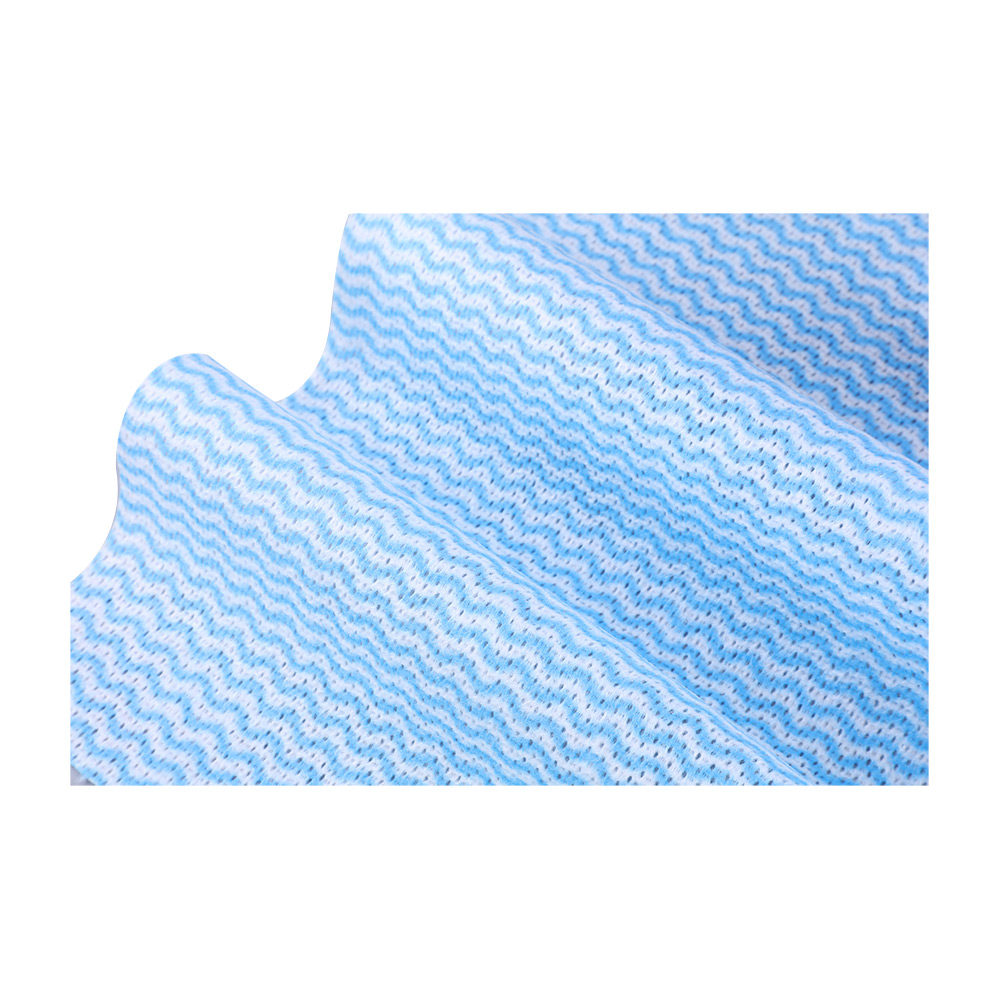
3 Core Textures Engineered into a Professional Industry Wipe
Manufacturers design professional-grade cleaning materials with highly specific structural topographies. The manufacturing process dictates exactly how the cloth interacts with different fluids. Let us explore the three dominant textures defining modern maintenance protocols today.
Dual-Sided Scrubbing (Abrasive / Smooth)
Mechanism: This advanced construction binds two distinctly different surfaces into a single sheet. One side is infused with tough polymer beads. Sometimes manufacturers utilize a rigid abrasive webbing instead. The reverse side remains completely smooth and highly absorbent.
Use Case: Maintenance crews rely heavily on this hybrid design for multi-stage cleaning tasks. First, they deploy the rough side against the metal. The abrasive beads break down heavy, baked-on hydraulic fluids. They easily scour away dried lithium grease from gear teeth. Once the sludge loosens, the worker simply flips the wipe over. The smooth side wipes the remaining surface completely dry. It leaves absolutely no chemical residue behind. This dual-action approach drastically reduces consumable waste on the shop floor.
Deep-Dimpled / Hexagonal Embossed
Mechanism: Thermal embossing presses geometric indentations directly into the synthetic fabric matrix. Hexagonal patterns or deep-dimpled shapes drastically expand the total surface area of the cloth.
Use Case: This specific texture excels at high-capacity liquid trapping. When encountering loose sludge or wet synthetic grease, the fabric acts like an industrial sponge. The deep valleys channel the wet grease into the inner core of the wipe. The elevated ridges hold the contaminants inside the matrix. This intelligent mechanism prevents redeposition. The grease stays locked inside the wipe, rather than transferring back onto the freshly cleaned machine part.
Meltblown Polypropylene
Mechanism: This material utilizes a complex, web-like synthetic structure. Manufacturers extrude molten polymer fibers at high speeds to create a highly textured, randomized matrix. Crucially, polypropylene is inherently oleophilic. It naturally attracts oil while simultaneously repelling water.
Use Case: Maintenance teams deploy meltblown textures for massive fluid control operations. They rapidly absorb large oil spills on concrete floors. They effortlessly soak up cutting fluid leaks around CNC machinery. Furthermore, the synthetic web is incredibly durable. It resists snagging on sharp gears, freshly machined threads, or exposed bolt heads during aggressive wiping.
Quick Reference: Texture and Substrate Guide
| Texture Profile | Primary Mechanism | Target Contaminant | Best Use Environment |
| Dual-Sided (Abrasive/Smooth) | Friction shearing + wiping | Baked-on carbon, dried fluids | Engine tear-downs, heavy machinery rebuilds |
| Hexagonal Embossed | Volume trapping via physical voids | Wet grease, loose sludge | General maintenance, assembly line lubrication |
| Meltblown Polypropylene | Oleophilic (oil-attracting) web | Large liquid oil spills, coolant leaks | Metalworking stations, hydraulic pump rooms |
Key Evaluation Criteria for Heavy Duty Cleaning Wipes
Evaluating your consumable supplies requires a highly systematic approach. When selecting heavy duty cleaning wipes, procurement teams must look well beyond the catalog price tag. You must verify three specific performance metrics to ensure operational efficiency.
- Lint-Free Requirements Standard abrasive rags shed micro-fibers constantly. They leave microscopic lint inside highly sensitive machine parts. This invisible debris destroys precision bearings over time. It compromises hydraulic seals and clogs filtration systems. Industry standards demand non-woven, hydroentangled materials for critical tasks. This manufacturing process uses high-pressure water jets to permanently interlock the fibers. It guarantees an ultra-low linting profile. You actively protect your expensive machinery from foreign object damage.
- Tensile Strength & Tear Resistance A textured wipe provides zero value if it falls apart immediately upon use. Mechanics aggressively scrub jagged metal edges daily. The wipe will inevitably catch on a sharp bolt thread or rough casting. You must critically evaluate the substrate’s wet strength. Saturate the cloth with your harshest shop solvents. Then, test its physical tear resistance. Professional materials blend reinforced cellulose with synthetic polymers. This combination ensures they survive brutal mechanical stress without shredding into useless pieces.
- Solvent Retention Chemical degreasers evaporate rapidly in open air. Flat materials let expensive solvents drip right through the fabric onto the floor. Your chosen texture must act as a temporary chemical reservoir. It must hold the degreasing agent long enough to transfer it onto the machinery evenly. Good solvent retention prevents chemicals from instantly dripping away. This metric directly saves money on expensive solvents. It also maintains a safer, slip-free work environment for your team.
Implementation Realities: Skin Safety & Chemical Compatibility
Deploying new cleaning supplies impacts your workforce directly. Facility managers must balance aggressive cleaning power with daily ergonomic usability. Let us examine the most common implementation challenges encountered on the shop floor.
Worker Compliance
Mechanics scrub their hands dozens of times per shift to remove grease. When selecting industrial hand wipes, you must monitor long-term skin health. Highly abrasive textures easily cause micro-tears in the epidermal layer. Frequent use rapidly strips away natural skin oils. Workers will quickly stop using products that cause painful dermatitis. We strongly recommend implementing dual-purpose textures. Many top-tier facilities utilize citrus-based grit wipes. These formulations agitate grease gently but firmly. They feature cosmetic-grade pumice that removes heavy grime while actively protecting the crucial skin barrier.
Compatibility with Pre-Saturated Solutions
Facility managers face a fundamental logistical choice. Do you buy dry textured wipes to pair with bulk liquid solvents? Or do you invest in ready-to-use, pre-moistened grease cleaning wipes? Both strategies have distinct advantages. Dry wipes offer excellent versatility across different chemical agents. However, pre-moistened options completely remove human error from the equation. They deliver the exact scientific ratio of surfactant to texture. This precise chemical-to-physical balance guarantees highly consistent cleaning results. It also prevents workers from accidentally mixing incompatible chemicals during a rush.
Surface Sensitivity
Aggressive scrubbing fixes one problem but can easily create another. You must acknowledge the severe risks of using harsh textures on delicate surfaces. Mechanics routinely clean sensitive areas located right next to heavy grease zones. Always follow these basic guidelines:
- Never scrub painted machine cowlings with heavy polymer bead textures.
- Avoid wiping optical safety sensors or laser guides with abrasive webs.
- Do not clean delicate electronic control panels with stiff, solvent-heavy fabrics.
- Always train your staff to match the specific texture to the underlying substrate.
- Switch to the smooth side of a dual-action wipe when detailing delicate equipment nearby.
Shortlisting Guide: Choosing the Right Industrial Cleaning Wipes
Navigating the complex industrial market requires a clear, objective procurement strategy. Follow these critical steps to standardize your facility's cleaning materials effectively.
Audit Your Grease Profile
You cannot select an optimal texture without defining the enemy first. Classify your facility’s primary daily contaminants. Do you primarily deal with wet, dripping hydraulic oil from leaky hoses? Or do you battle dry, baked-on carbon deposits near combustion zones? Wet oil requires high-capacity embossed or meltblown textures. Hardened carbon demands aggressive dual-sided scrubbing fibers. Document these specific contaminants clearly to dictate your necessary texture aggressiveness.
Run a Side-by-Side Field Test
Never buy bulk supplies blindly from a vendor catalog. Bring the top candidates directly onto the actual shop floor. Give your senior maintenance crews three distinct texture variants. Ask them to clean a standard, heavily soiled machine part. Measure the exact time required to clean each variant perfectly. Count the exact number of wipes discarded into the trash bin afterward. Real-world mechanical action always reveals the superior, most efficient product.
Calculate True Cost
Procurement departments often focus too heavily on the initial unit price. You must shift these operational metrics entirely. Stop measuring the basic "Cost per Wipe." Start calculating the "Cost per Cleaning Task." Imagine a heavily textured wipe costs $0.15. A standard flat rag costs $0.08. The flat rag smears the grease, requiring three total rags and extra solvent to finish the job. The textured wipe traps the sludge instantly, finishing the job in one single pass. The $0.15 specialized tool is drastically cheaper per task than the $0.08 alternative. It also saves highly valuable maintenance labor time, keeping your lines running efficiently.
Conclusion
Lifting stubborn machine grease requires much more than just pouring harsh chemicals onto metal. Combining the right physical mechanical texture with the right chemical solution is the only proven method for success. Whether you choose abrasive polymer beads, deep structural embossing, or meltblown synthetic webs, texture always breaks the surface tension. It physically shears the heavy grime and traps it permanently inside the fabric. This specialized engineering approach consistently outlasts and outperforms traditional flat shop rags in every measurable metric. Stop wasting expensive labor hours on inefficient grease smearing. We encourage facility managers to request sample packs immediately. Procure several dual-sided and heavily embossed variants. Conduct controlled, timed tests on your toughest machine maintenance routes. Track your consumable usage carefully. Let the physical texture prove its undeniable value on your shop floor.
FAQ
Q: Can textured wipes scratch sensitive machinery or metal parts?
A: High-quality abrasive wipes use polymer-based scrubbing fibers specifically designed to be softer than industrial metals. They effectively prevent scratches while remaining significantly harder than dried grease. Always verify the manufacturer's substrate ratings before applying heavy pressure to delicate painted cowlings or specialized optical sensors.
Q: What is the difference between industrial hand wipes and machine wipes?
A: Hand wipes feature cosmetic-grade abrasives, like natural pumice or gentle polymer webbing. They also include skin conditioners to prevent occupational dermatitis. Machine wipes use much stiffer, highly durable substrates. These industrial variants are engineered specifically to withstand sharp metal edges and heavier, more aggressive chemical loads without tearing.
Q: Do textured wipes absorb oil as well as standard cotton rags?
A: Yes, and often much better. Synthetic meltblown textures are specifically engineered to attract and hold oil. This oleophilic property actively pulls grease deep into the material while simultaneously repelling water. This targeted fluid absorption makes them vastly superior to standard cotton rags for heavy industrial grease management.


